Most people buy windows once or twice in their lives, so it’s normal to start the process without knowing what to look for. This window buying guide covers the whole decision process, from whether your current windows need replacing to what the figures on a quote actually mean.
Introduction

New windows affect how warm, secure and quiet your home is, and how the house looks from the street. Start with the basics: what a good window should do, and the signs that your current ones are near the end of their working life.
What should a good window do?
A good window keeps your home secure and warm while being easy to live with. In practice, that means it should:
- Lock at several points around the sash (the part of the window that opens).
- Reach a whole-window U-value of 1.4 W/m²K or lower (0.75 for our uPVC range). The U-value measures how much heat escapes, and lower is better; it’s explained in the energy efficiency section.
- Keep out draughts and rain, and stay solid in high wind.
- Let in as much daylight as the opening allows.
- Open, close and clean easily, including on upper floors.
- Be made to measure for your opening.
- Suit the style of your house.
- Come with a guarantee and an aftercare service if anything needs adjusting.
No single component delivers all of that by itself. The frame, glass, hardware and seals work as a set, and the quality of fitting affects how they all perform. That is why Fairco manufactures its uPVC windows in its own facility and specifies every part of each window it sells, so the whole set works together.
Do your windows need replacing?
Replacement is worth considering if you notice any of these:
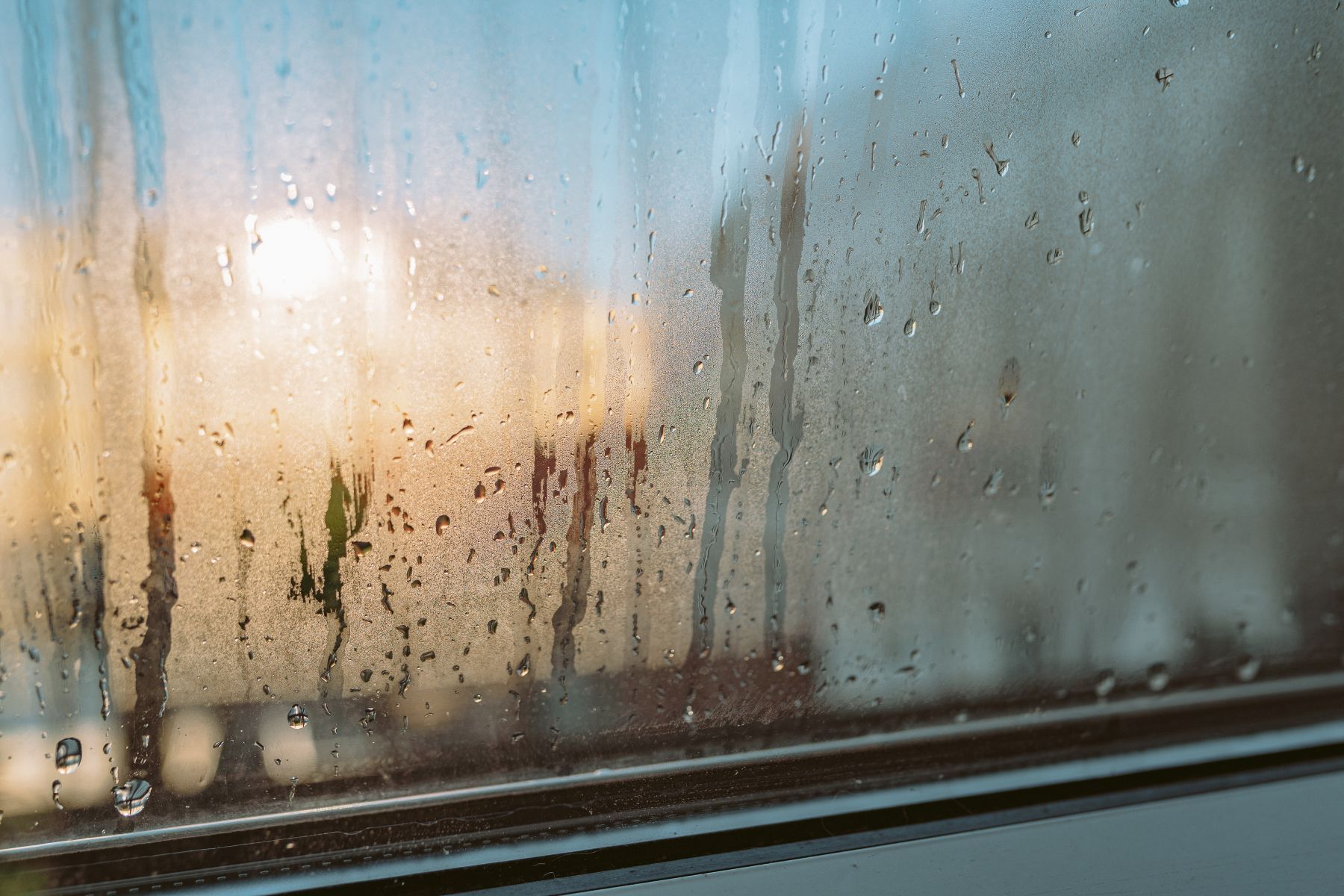
- Condensation or fogging between the panes, which means the seal on the glazed unit has failed.
- Draughts or cold spots near the window when it’s shut and locked.
- Rattling or movement when the wind picks up.
- Handles, hinges or locks that are stiff, loose or broken.
- Sashes that stick, drop or won’t stay open.
- Timber that is soft, rotting or badly warped.
- uPVC that is cracked, chalky or badly discoloured.
Condensation on the inside surface of the glass is a separate issue, usually linked to humidity and ventilation. Our guide to condensation on windows explains the difference.
Some problems can be fixed on their own. A failed glazed unit can often be swapped without touching the frame, and worn hardware can be replaced. When the frame itself is failing, or several of these problems appear together, replacement usually makes more sense than a series of repairs.
If windows fitted only a few years ago are already showing these signs, contact the company that installed them before paying for repairs. Fairco customers can arrange a visit through the aftercare team.
Window materials and frames

The three main window materials in Irish homes are uPVC, aluminium and timber. The material affects how a window looks, how well it insulates, how much upkeep it needs and which styles are possible. How the frame is put together, including its chambers, joints and seals, also affects how it performs.
Which window material is right for your home?
Each material has its own strengths. uPVC is low maintenance and insulates well, aluminium carries large panes in slim frames. The sections below cover how each has developed, what Fairco offers and which material tends to suit which kind of house.
How window materials have changed
For centuries, Irish homes had timber sash and casement windows. Steel windows arrived in the early twentieth century, and aluminium followed after the Second World War. uPVC arrived in the 1980s.
uPVC is the most popular window material in Ireland, for reasons covered in why uPVC is still the most popular choice.
uPVC windows

uPVC is still a young material by window standards. It arrived in Ireland in 1986, and the first generation earned a poor reputation: early frames could discolour, turn brittle and crack after years in the sun. Four generations of development later, the material has been transformed. Today’s frames are made from extruded profiles with UV stabilisers to protect the colour, several internal chambers that trap air and slow heat moving through the frame, and steel reinforcement for strength. uPVC doesn’t rot, rust or need repainting, warm soapy water is all it takes to keep it clean, and woodgrain foils and a wide colour range mean white is now one option among many. In 40 years, uPVC has gone from a newcomer with a lot to prove to one of the most advanced window materials available.
Fairco makes uPVC windows in several ranges. The Performance uPVC collection and OMNIA Flush both reach U-values as low as 0.75 W/m²K with triple glazing and 1.2 W/m²K with double glazing, so even the double-glazed versions sit comfortably below the 1.4 benchmark in the building regulations. OMNIA Flush has sashes that sit level with the frame for a flat, timber-style finish, and comes with matching doors in the same system. The Heritage Sash is a uPVC sliding sash with a 35mm midrail and run-through horns, designed to look like traditional joinery.
Aluminium windows

Aluminium is strong enough to hold large panes in slim frames, so more of each opening is glass. It suits contemporary homes, extensions and rooms built around a view. Because metal conducts heat, modern aluminium frames include a thermal break: an insulating polyamide section that separates the inside of the frame from the outside.
Fairco’s aluminium windows reach a U-value of 1.4 W/m²K with double glazing and as low as 1.0 W/m²K with triple glazing, depending on the window. They come in four stock colours (white, black, anthracite grey, and anthracite grey outside with white inside), with hundreds of other colours available to order. The powder-coated finish won’t rot or rust.
Timber windows
Timber is Ireland’s original window material and the material most period homes were built with. It insulates naturally, it can be repainted a new colour years later, and good modern timber windows use engineered wood that resists warping. It does need regular care, usually repainting or re-staining every few years depending on exposure. Protected structures and some conservation areas may require timber.
Fairco’s windows are made in uPVC and aluminium, but you can still have the look of timber without the upkeep. Performance uPVC and OMNIA Flush casements can be finished in woodgrain foils, and the Heritage Sash recreates a traditional timber sliding sash, right down to its joinery details. None of them ever needs repainting. Read more in Heritage Sash windows for conservation areas.
Which material suits which house?

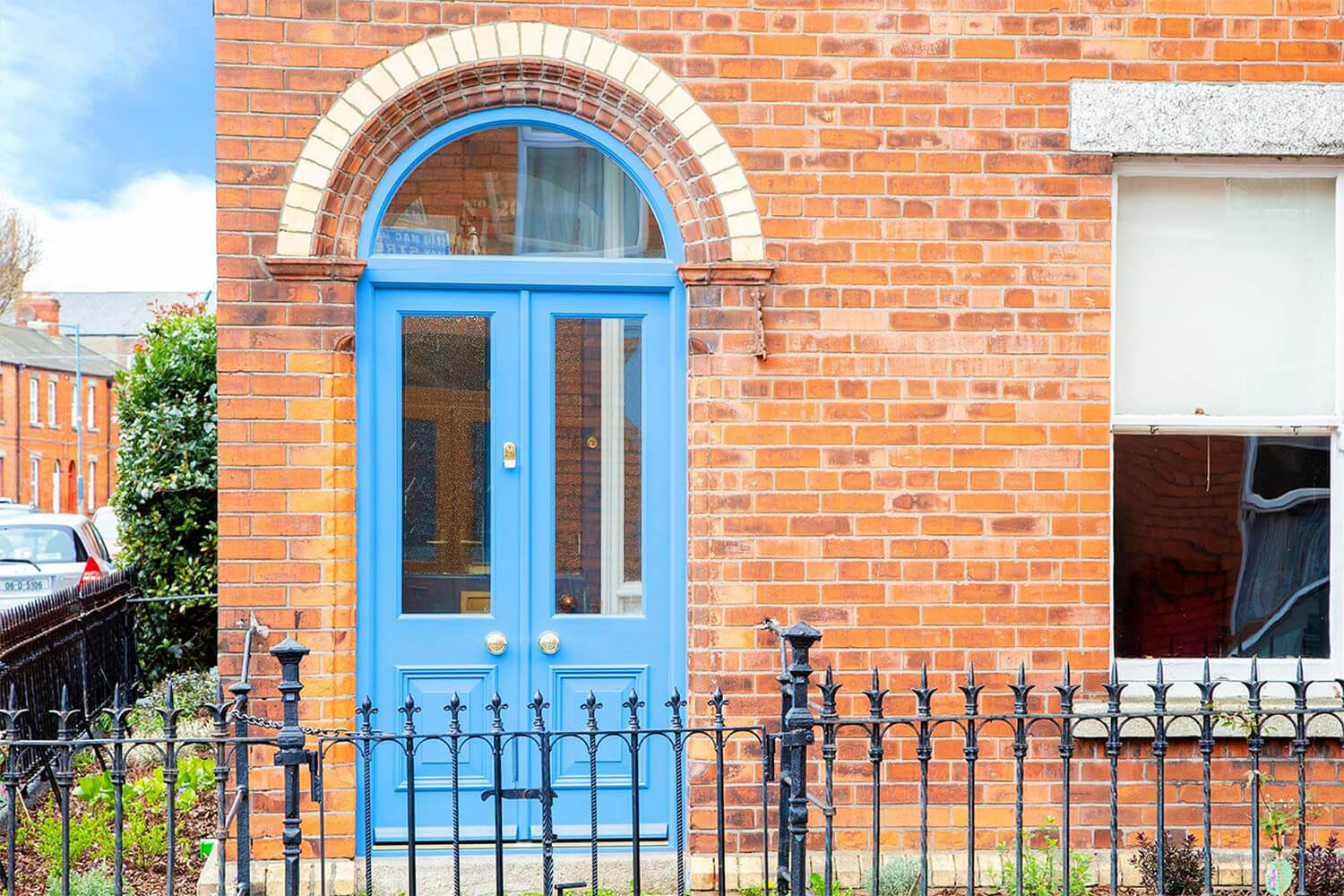
Georgian, Victorian and Edwardian homes were built with timber sash or casement windows, and replacements usually need to keep those proportions. A timber-style sash or a flush casement keeps the character of the front. See heritage-style windows for period homes.
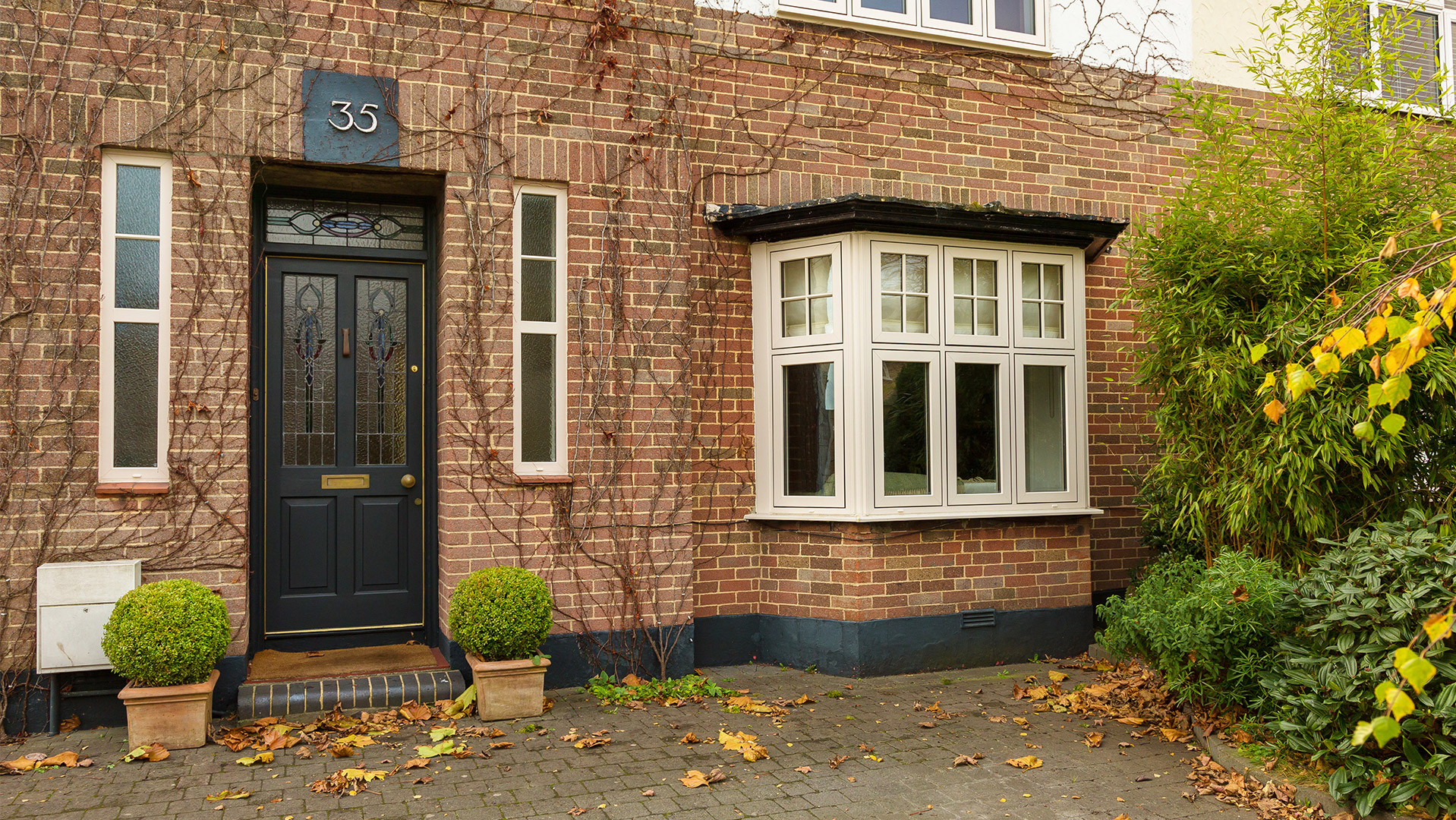
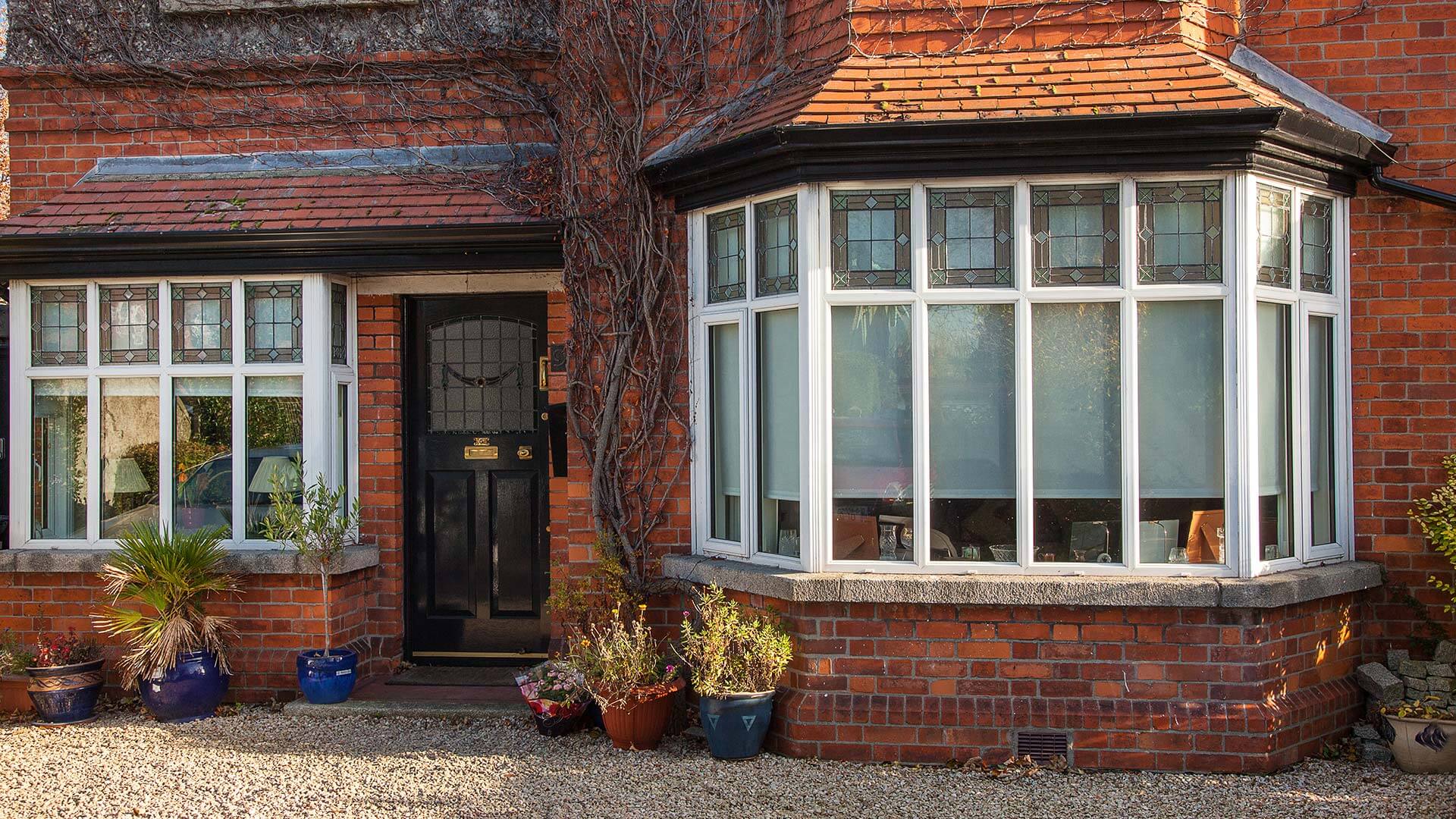
1930s to 1950s houses often had steel or timber casements with small panes, and many have curved or square bays. Casements with glazing bars suit them, and bay and bow windows can be replaced to their original shape.
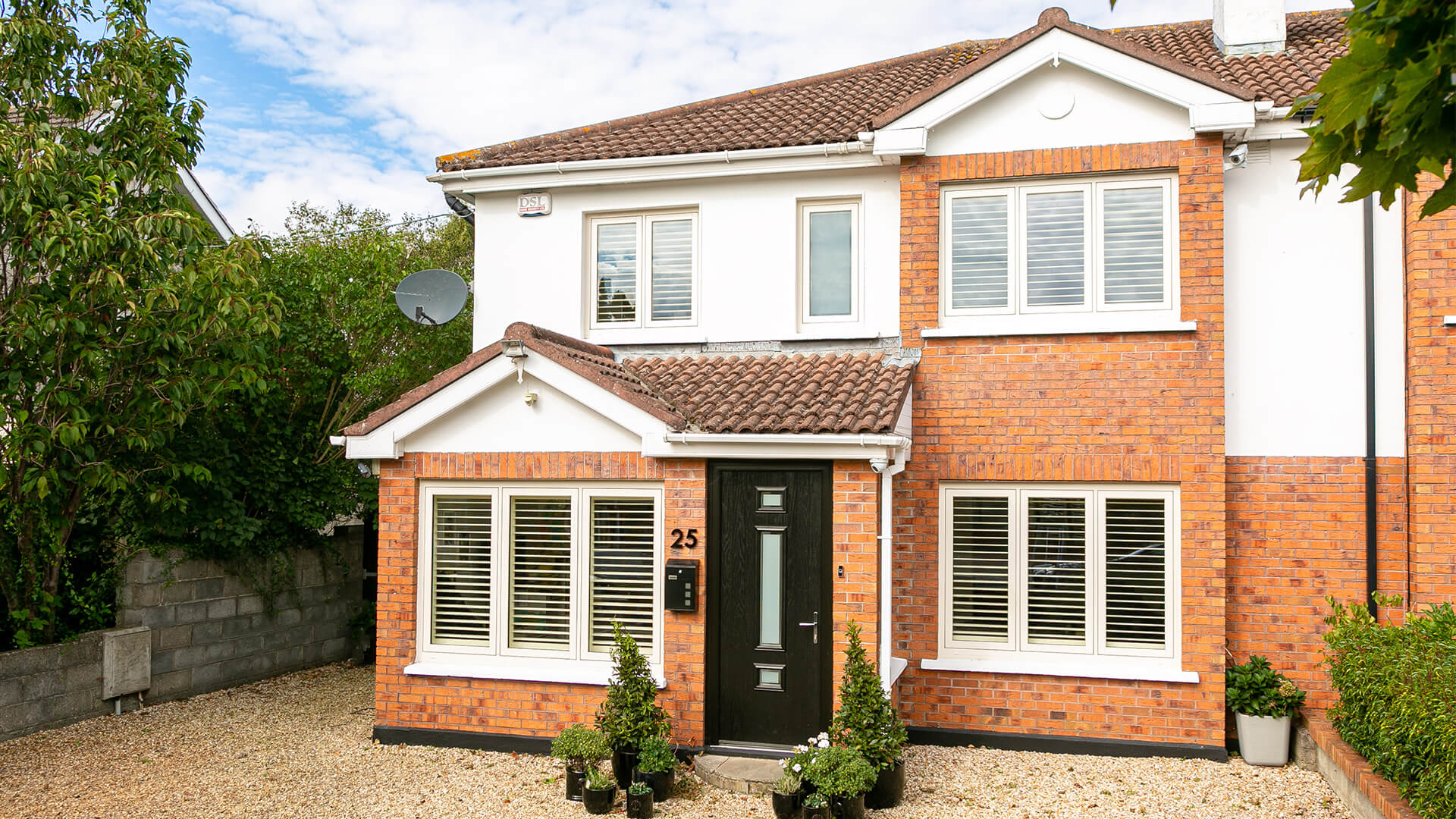
Houses built from the 1960s on usually have casement windows. Like-for-like replacement works well, and a new colour or finish is a simple way to update the front of the house.
Modern homes and extensions suit slim aluminium or flush uPVC frames with larger glass. Our guide to glazing for garden rooms and extensions goes into more detail.
These are starting points. For a side-by-side look at Fairco’s ranges, read how to choose between Performance uPVC, OMNIA Flush and aluminium.
How window frames are made

Every frame starts as long lengths of profile, cut to size and joined at the corners. uPVC corners are usually heat-welded, aluminium corners are mechanically joined, and timber uses interlocking joints. Some uPVC windows use mechanical joints instead of welds to copy the look of timber joinery. Fairco’s Heritage Sash uses end-sealed mechanical joints finished as butt joints, the way a traditional sash was made.
Our post on Fairco’s Antrim manufacturing facility shows how this works in practice.
Chambers and thermal breaks
A uPVC profile is hollow, split into chambers that each add a barrier to heat. More chambers generally help, although the glass, seals and installation all affect the final U-value. Aluminium relies on its thermal break to do the same job. Where the frame meets the wall also matters, which is explained in understanding thermal bridging.
Frame shapes
Frame edges can be square, bevelled or ovolo, which is a softer rounded profile often used on period-style windows.
Seals and gaskets
Gaskets run around the sash and the glass to keep out air and water. Modern windows typically have an outer seal against rain and an inner seal against draughts. Older rubber seals could flatten over time, while newer materials are designed to spring back each time the window closes. When an older window starts letting in draughts, the seals are one of the first things to check.
Glazing

Glazing is the glass in a window, and it usually makes up most of the window’s area. Modern windows use sealed units of two or three panes, gas-filled and coated to keep heat in. The type of glass in those units can also add safety, security, privacy or noise reduction.
How glazing works
Early windows used small pieces of crown glass held together with lead. Larger flat plate glass came next, and in the late 1950s the float glass process made large, flat, clear sheets practical to produce in volume. That opened the way for the sealed double-glazed units fitted in homes today.
Single glazing

A single pane of glass typically has a U-value of around 5 W/m²K, several times the 1.4 benchmark. Single glazing is still found in older homes and in some protected buildings. Where the original windows have to stay, secondary glazing (a separate inner window fitted behind the original) can improve warmth and cut noise without changing the outside of the building.
Double glazing

Two panes of glass are sealed together into one unit, with an insulating gap between them that slows heat escaping from the room.
Triple glazing

Three panes create two cavities, which lowers the U-value further and can help with noise. What’s inside the unit also affects the final figure, as explained below. Triple-glazed units are heavier, so the frame and hinges have to be built to carry them. Our guide to double glazing vs triple glazing helps you decide which suits your home.
Inside a sealed unit
Whether a unit has two panes or three, the same parts inside it decide how well it performs.
A spacer bar runs around the edge of the unit and holds the panes apart. Older units used aluminium spacers, which conduct heat and leave the glass edge colder than the centre. Warm-edge spacers are made from materials that conduct far less heat. They can improve the whole-window U-value by between 5% and 18% compared with aluminium spacers, and reduce condensation at the glass edge by as much as 70%. Read more in what is a warm-edge spacer bar. The gap between the panes is usually filled with argon, a gas heavier than air that slows heat transfer. One pane also carries a low-emissivity (low-E) coating, an invisible layer that reflects heat back into the room; types of glass are covered in more detail below.
Types of glass

Most sealed units combine clear float glass with a low-E coating. Other types of glass can be added for specific jobs, from safety in low-level glazing to privacy in a bathroom.
Clear float glass
Float glass is the standard clear glass used in almost every window. It’s made by pouring molten glass onto a bath of molten tin, where it spreads out and settles into a perfectly flat, even sheet with no distortion. A 4mm pane is a common build in a double-glazed unit. Float glass is also the starting point for most of the other types below: toughened, laminated and low-E glass all begin as float glass before being treated, bonded or coated. On its own, it breaks into sharp pieces, which is why building regulations call for safety glass in certain locations.
Low-emissivity (low-E) glass
A microscopically thin coating reflects heat back into the room while letting light through. It’s one of the main reasons modern double glazing performs so much better than older units.
Low-iron glass
Standard glass has a faint green tint from its iron content. Low-iron glass has less, so it looks clearer, which is most noticeable on large panes.
Toughened glass
Heat treatment makes toughened glass several times stronger than ordinary glass of the same thickness. If it does break, it shatters into small, blunt pieces. Building regulations require safety glass in critical locations, such as low-level glazing and glass in or beside doors.
Laminated glass
Two sheets of glass are bonded to a plastic interlayer, with 6.4mm a common build. If the glass breaks, the pieces stay stuck to the interlayer and the pane holds together, which makes laminated glass useful for both security and noise reduction.
Acoustic glass
Acoustic glass is laminated with a sound-damping interlayer, and it’s often paired with a pane of different thickness so the two don’t vibrate together. More on this in the noise section below.
Obscure glass
Textured glass lets light in while blurring the view from outside. Patterns range from light textures to heavy obscuration for bathrooms and street-facing rooms. See choosing windows for bathrooms and kitchens.
Decorative and leaded glass
Coloured, bevelled and leaded designs work well in fanlights, halls and stairwells. Modern leaded designs are applied to the surface of the glass, so the sealed unit keeps its performance.
Window styles and finishes


A window’s style is how it opens, and its finish is the colour and texture of the frame. Together they decide how the window works day to day and how it looks from outside. Style and colour can usually be chosen separately.
Window styles and opening types
Windows are named by how they open: hinged at the side or top, tilting inwards, sliding up and down, or fixed. The right style depends on the room, who uses it and how the rest of the house looks.
Casement windows

Casement windows are the most popular window style in Ireland. A casement is hinged at the side or the top and opens outwards, and it suits almost any house, whether for a new build or a replacement.
Tilt-and-turn windows
One handle position tilts the sash inwards from the top for secure ventilation, and another swings it fully open into the room, which makes both sides of the glass easy to clean from inside. Read how tilt-and-turn windows work.
Flush and overlapping sashes

Casement and tilt-and-turn windows come in two designs. On an overlapping design, often called storm-proof, the sash sits slightly forward of the frame and overlaps it when closed, which gives the window a layered, stepped look. On a flush design, the sash closes level with the frame, recreating the flat face of a traditional timber casement. Both are sealed with gaskets on modern systems, so the choice is mainly about looks. Fairco’s Performance uPVC windows have an overlapping sash, while OMNIA Flush is flush inside and out and matches OMNIA Flush doors.
Sliding sash windows

Two sashes slide vertically. Traditional sashes ran on cords and weights hidden in the frame; modern ones use compact spiral balances, which leave room for more glass. Many modern sashes also tilt inwards for cleaning. See the hardware features of modern sash windows.
Bay and bow windows

A bay projects out from the wall in straight sections; a bow follows a gentle curve. Either can combine casement, sash or fixed panes.
Fixed and picture windows

These don’t open. They’re used where light or a view matters more than airflow, often next to opening windows so the room still ventilates.
Shaped and combined windows

Arched, round and apex windows can be made to order, subject to building regulations. Styles can also be combined in one frame, for example a fixed centre pane between two opening casements. When you combine styles, try to keep sightlines and sash sizes balanced across the front of the house, because that affects how the whole elevation looks.
Period details

Astragal bars divide the glass into smaller panes, a feature of Georgian windows. Sash horns are small projections at the bottom of the upper sash, common from the Victorian period onwards. Both can be added to modern windows. Read more in what are astragal bars and everything you need to know about sash horns.
For which style works best in each room, read the right window opening style for each room. If someone in your home has limited grip or mobility, see easy-to-use windows and doors.
Colours and finishes
White is still the most common frame colour, but modern windows come in far more than white. Woodgrain foils, heritage greens and creams, greys and black are all available, and many frames can be one colour outside and another inside, so the exterior suits the street while the interior suits the room. Fairco’s ranges offer three broad types of finish: solid colours and timber-effect foils, textured foils that look like powder-coated aluminium, and an ultra-matt surface.
OMNIA Flush colours

OMNIA Flush comes in twelve colours and finishes, with a different choice possible inside and out: White, Cream, Agate Grey, Claystone, Pebble Grey, Chartwell Green, Sage Green, Anthracite Grey, Beck Brown, Ulti-Matt Black, Irish Oak and Ginger Oak. The oak foils bring the warmth of timber, while the greys and black suit a more contemporary house. Behind every finish is the same uPVC profile, so the colour you choose doesn’t change how the window performs.
Fine Texture Foil

For a more architectural look, OMNIA Flush is also available in Fine Texture Foil, a premium matt finish with the appearance and texture of powder-coated aluminium. It comes in eight finishes: Traffic White, Silver Grey, Quartz Grey, Slate Grey, Basalt Grey, Anthracite Grey, Umber and Black. The foil is designed to resist scratches, UV exposure and everyday wear. See OMNIA Flush finishes for more.
Spectral ultra-matt finish

Spectral is an ultra-matt surface from VEKA, available on Fairco’s Performance uPVC casement and tilt-and-turn windows. It’s built in layers, with a through-dyed PVC film under a hardened coating, which gives it a velvety feel and a very low-reflection finish. According to VEKA, the surface is highly resistant to scratches and abrasion, and its anti-fingerprint effect makes it dust-repellent and easy to clean. Read more in Spectral: the ultra-matt window finish.
Heritage Sash and Aluminium colours
The Heritage Sash comes in 10 woodgrain colours. Fairco’s aluminium windows come in four stock colours, with hundreds more available to order as RAL match.
Choosing a colour
Look at your brick, render, roof and front door together when choosing. Colour ranges change, so the best way to choose is with samples in a showroom, in daylight.
Security and energy efficiency

A window has to keep intruders out, keep heat in and, ideally, keep noise down. All three depend on a well-sealed frame, strong hardware and the right glass. This section covers the locks and standards to look for, the energy figures on a quote, and the SEAI grant for windows and doors.
What makes a window secure?
According to Garda figures, back windows are the entry point in 24% of burglaries and front windows in 8%. One in five burglaries involves an unsecured door or window, and burglaries rise during the darker winter months. The Garda Lock Up Light Up campaign has more prevention advice.
Multi-point locking
Turning the handle engages several locking points around the sash at the same time. Modern systems use shoot bolts, hardened steel rods that lock into steel keeps on the frame. The more points that engage, the harder the sash is to lever open.
Internal glazing beads
The bead is the strip that holds the glass in the frame. On early uPVC windows it was sometimes fitted on the outside, where it could be pried off and the glass lifted out. Most modern windows have internal beads that can only be reached from inside. Where a system is beaded externally, security clips hold the glass in place so it can’t be removed from outside.
Hinge-side protection
Hinge bolts and anti-lever devices lock the hinge side of the sash into the frame when it’s closed, so it can’t be forced out from that side.
Key-locking handles
A locking handle stops the window from being opened by someone reaching through a broken pane. Keep the key close to the window, out of sight from outside, so the window can be opened quickly in an emergency.
Security standards
Gardaí recommend windows that meet I.S. EN 1627:2011 or PAS 24, because both involve specific burglary-resistance testing. All Fairco windows are certified to PAS 24. Read what is PAS 24 and how windows and doors are tested.
Restrictors and escape windows
Window restrictors limit how far a window opens, which protects children on upper floors. SEAI’s windows grant, covered in the energy efficiency section, requires suitable restrictors where the drop from the bottom of the opening to the ground is more than 1.4m. Windows that serve as fire escape routes need a large enough opening, and any restrictor on them must be easy for an adult to release. Easy-clean or egress hinges let these sashes open wide.
Ventilation without leaving windows open
Gardaí warn that burglars will use even a small opening. The night-vent position, where the window locks slightly ajar, is less secure than a closed window. Trickle vents in the frame give background ventilation while the window stays shut and locked.
For wider advice, see Fairco’s home security page and quick tips for home security.
Energy efficiency, U-values and SEAI grants

Energy efficiency comes down to how much heat escapes through the window. The U-value measures this, and both the building regulations and SEAI’s grant set a maximum figure. The sections below explain the numbers, why installation matters and how the grant works.
How much heat do windows lose?
SEAI estimates that a home can lose up to 10% of its heat through poorly performing windows and doors, and up to 30% through poorly insulated attics and walls.
What is a U-value?
A U-value measures how quickly heat passes through a building element, in watts per square metre per degree of temperature difference (W/m²K). The lower the number, the better the insulation.
Single glazing sits around 5 W/m²K. Ireland’s building regulations (Technical Guidance Document L) set an average of 1.4 W/m²K for windows, doors and rooflights in new homes, and SEAI uses the same 1.4 figure for its grant. With triple glazing, Fairco’s Performance uPVC and OMNIA Flush ranges reach as low as 0.75, and its aluminium windows as low as 1.0.
Always ask for the whole-window U-value. A centre-pane figure only measures the glass and will look better than the window as a whole.
Energy ratings
Some windows also carry a lettered energy rating that combines heat loss with solar gain and air leakage. It’s useful for comparison, but the U-value is the figure the building regulations and the SEAI grant rely on.
Why installation matters
A well-rated window fitted badly will still leak heat. Gaps around the frame, poor sealing and cold bridges at the reveal all undo good glazing. New windows also affect your Building Energy Rating, covered in understanding your BER.
How much could you save?
Savings depend on what you’re replacing, how well the house is insulated and how you heat it. The less efficient your current windows, the more there is to gain. Read why energy-efficient windows and doors make financial sense, and use SEAI’s tools for figures specific to your home.
The SEAI windows and doors grant
Since 2026, SEAI has offered a grant for windows and doors on their own, without a full deep retrofit. According to SEAI, the grant is worth up to €4,000 for windows and up to €1,600 for doors. The main conditions are:
- The home was built and occupied before 2011.
- The home has a Heat Loss Indicator of 2.3 or lower, or its attic and walls are rated “Good” or “Very Good” in the BER advisory report.
- The new windows and doors have a U-value of 1.4 W/m²K or lower.
- The work is done by an SEAI-registered contractor.
- Restrictors are fitted where needed, escape windows meet regulations, and the home stays properly ventilated.
The insulation condition is there because, as SEAI’s figures show, attics and walls can lose up to three times as much heat as windows and doors.
Grant details were checked in September 2026. Check SEAI’s website for the latest terms before you apply.
Fairco is an SEAI-registered contractor. The windows and doors grant page explains how the grant works with a Fairco project, and our post on the new grant covers the background to the scheme.
Can new windows reduce noise?
Yes, if the glass is chosen for it. Acoustic laminated glass, panes of different thicknesses and well-sealed frames cut the sound coming through a window, and they matter more than the number of panes. A well-designed acoustic double-glazed unit can match or outperform a standard triple-glazed one. If you live near a main road, rail line or flight path, mention it at your survey. Read about reducing noise with the right glazing.
Buying and installing your windows

Once you know what you want, check whether you need planning permission and choose your company carefully before you sign. After that come the survey, the installation and looking after the windows afterwards.
Planning permission and conservation areas
Replacing windows usually counts as exempted development, as long as the new windows don’t materially change the look of the house in a way that’s inconsistent with its neighbours. Protected structures and architectural conservation areas are treated differently, and changing the style of front windows can need permission. Rules vary by council, so check with your local authority before ordering. Our guide to planning permission for replacement windows covers this in more detail.
Some estates and apartment blocks also have management company rules or covenants on window style and colour, so check those as well.
How to choose a window company
These questions are worth asking any company before you sign:
- Do you manufacture the windows yourselves, or buy them in?
- Who measures the openings, a surveyor or the fitter?
- Are the windows certified to PAS 24?
- What is the whole-window U-value?
- If I’m applying for the SEAI grant, are you a registered contractor?
- What does the guarantee cover, and for how long?
- Who do I call if something needs adjusting after installation?
- Can I see the windows and samples in a showroom?
Ask neighbours who’ve had work done, and read recent reviews. At Fairco, a surveyor measures every opening before manufacture, uPVC windows are made in Fairco’s facility in County Antrim, and Fairco is registered with SEAI for grant-funded work.
Survey, installation and aftercare
A surveyor measures your home before anything is made, and the installation is planned around that survey. After fitting, a little regular care keeps the windows working well.
The survey
A surveyor visits your home, measures each opening and checks the walls, cills and reveals. This is also when you talk through style, glass, colour and anything specific to your house, such as noise or security concerns.
Installation day
Old windows come out one opening at a time, and the new ones go straight in, so each room is only open briefly. Read how to prepare your home for installation guide.
Looking after your windows
Clean the frames with warm soapy water a few times a year and keep the drainage slots at the bottom of the frame clear. Once a year, put a drop of light oil on the hinges and locking points. Seasonal checks are covered in preparing your windows and doors for autumn and winter. If something needs adjusting, Fairco’s aftercare team can help, and the full terms are in the Fairco care guarantee.
Book a free consultation

Fairco is trusted by over 40,000 homeowners, and every project follows the same process: a survey of your home, windows made to measure, and installation by Fairco’s own teams. The Fairco Difference walks through each step.
The easiest way to choose is to see the windows in person. Compare frames, glass and colours side by side in the Santry or Deansgrange showroom. Or book a free consultation, and a Fairco surveyor will come to your home, measure up and talk you through the options that suit it.
Replacing doors as well? The door buying guide covers them.