Autumn is when the performance of your windows and doors starts to matter most. As temperatures drop, winds pick up, and rain becomes a near-daily feature, any weakness in the building envelope becomes noticeable. Draughts that were easy to ignore in summer become uncomfortable. Condensation appears on glass that stayed clear for months. Doors that closed easily start to feel stiff or loose. Taking the time to check your windows and doors before winter sets in can make the difference between a comfortable season and one spent fighting the cold.
Check your seals

The rubber gaskets and weather seals around your window and door frames are the first line of defence against draughts and water ingress. Over time, these seals can compress, harden, crack, or pull away from the frame, allowing air and moisture to find a way through. Run your hand slowly around the perimeter of each closed window and door. If you can feel cold air moving through, the seal is no longer doing its job.
On newer windows, worn seals can often be replaced without replacing the entire unit. On older windows where the seal has degraded significantly, or where the frame itself has warped or moved, replacement may be the more effective solution. If you are unsure, a professional assessment can clarify which approach makes sense.
Test your hardware

Locking mechanisms, handles, hinges, and friction stays all need to operate smoothly for the window to close fully and seal properly. A handle that does not engage the multi-point locking system completely, or a hinge that has dropped slightly, can leave the sash sitting fractionally out of alignment. This is enough to break the seal compression and allow draughts through, even if the window appears closed.
Open and close each window and door fully, testing the handle action and checking that the locking points engage without force. If anything feels stiff, loose, or misaligned, it may need adjusting or replacing before the colder months. Fairco customers can book a service appointment if their windows or doors need attention.
Clear the drainage
All modern windows and doors have drainage slots or channels designed to allow any water that enters the frame to escape to the outside. These slots can become blocked with dirt, leaves, or debris, particularly after summer. If the drainage is obstructed, water can build up inside the frame, potentially causing damage to the seals, the hardware, or the internal reveals. A quick check and clean of the drainage channels on the bottom of each frame is one of the simplest and most effective pieces of maintenance you can do before winter.
Look at the glass

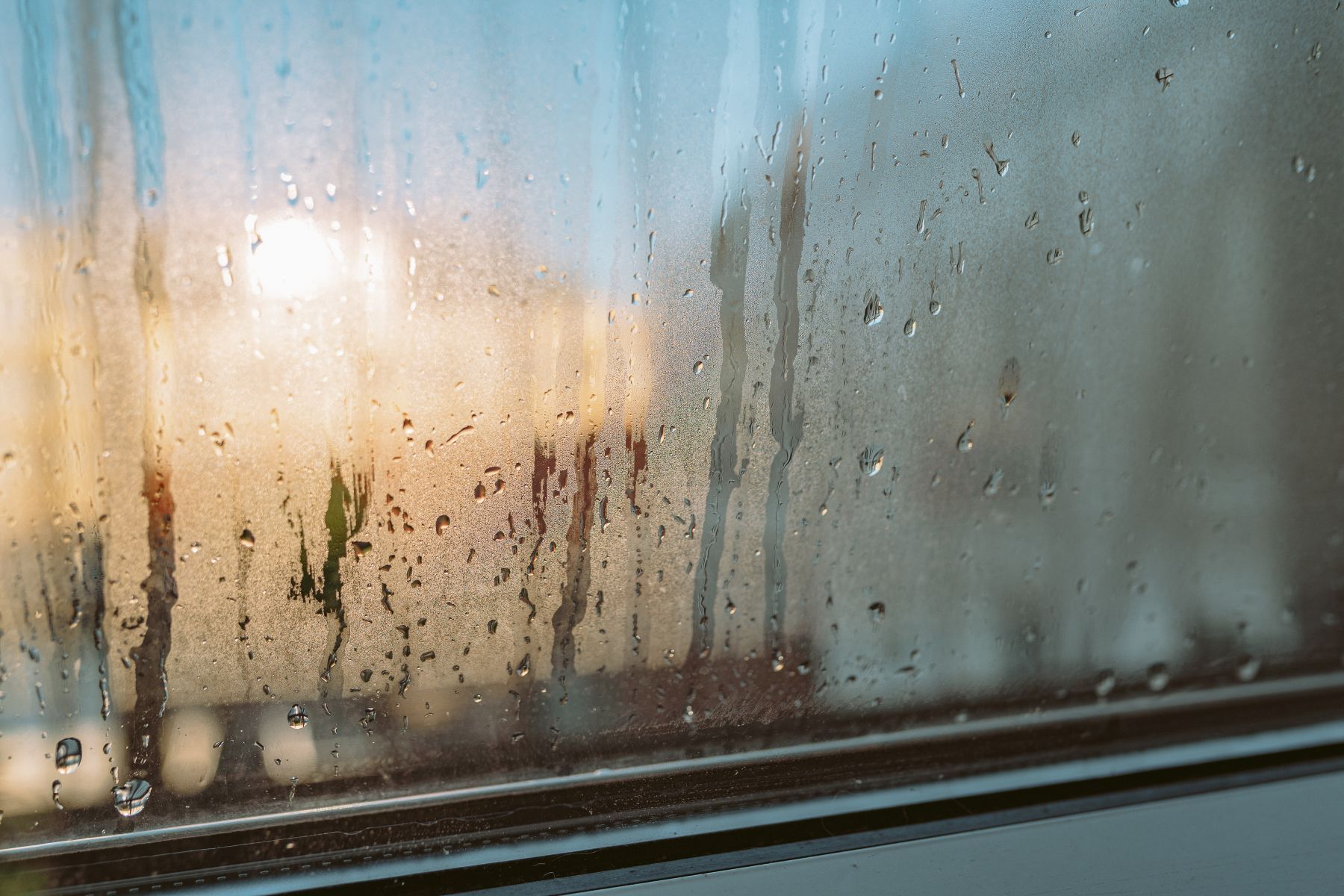
If condensation is forming between the panes of a double or triple glazed unit, the sealed unit has failed. The gas fill has escaped and moisture has entered the cavity, reducing the thermal performance of the glazing significantly. A failed sealed unit cannot be repaired. It needs to be replaced. This is a relatively straightforward job on modern windows where the glazing unit can be swapped without replacing the frame, but it is important to address it before winter, as a failed unit will contribute to heat loss and further condensation problems.
Condensation on the inside surface of the glass is a different issue. It is caused by warm, moist indoor air meeting a cold glass surface, and it is more common in kitchens and bathrooms where humidity levels are higher. Improving ventilation, using trickle vents, and upgrading to glazing with a lower U-value and warm-edge spacer bars all help reduce internal condensation.
When maintenance is not enough
There comes a point where maintenance on ageing windows and doors no longer delivers meaningful results. If you are dealing with persistent draughts despite new seals, visible frame distortion or warping, multiple failed glazing units, hardware that no longer locks securely, or condensation that returns no matter how much you ventilate, the windows have reached the end of their effective service life. Continuing to patch them is spending money on a diminishing return.
Replacing old windows with modern, high-performance units delivers an immediate improvement in comfort, energy efficiency, security, and appearance. It also has a direct impact on your BER rating and may qualify for the SEAI windows and doors grant, which helps offset the investment.
Get ahead of winter
The best time to address window and door issues is before you need them to perform at their best. Autumn gives you the window to assess, maintain, or replace before the worst of the weather arrives. If you have been putting off an upgrade, acting now means you benefit from improved comfort and lower energy bills throughout the entire heating season rather than starting it at a disadvantage.
Book a free consultation with the Fairco team, or visit our showrooms to explore your options before winter sets in.