Tilt-and-turn windows are one of the most practical window types available, yet many homeowners in Ireland are still more familiar with the traditional side-hung casement. If you have not used a tilt-and-turn window before, the concept is simple: a single handle controls two completely different opening positions, giving you more control over ventilation, easier cleaning, and a secure way to let fresh air in without fully opening the window.
Two positions, one handle
The mechanism works through a multi-point locking system connected to a single handle. When the handle is in the closed position, the window is fully locked and sealed. Turning the handle 90 degrees to a horizontal position activates the tilt function: the top of the sash tilts inward, creating a controlled opening at the top of the window while the bottom edge remains securely fixed to the frame. This allows air to flow in and out at ceiling level without creating a draught at floor level.
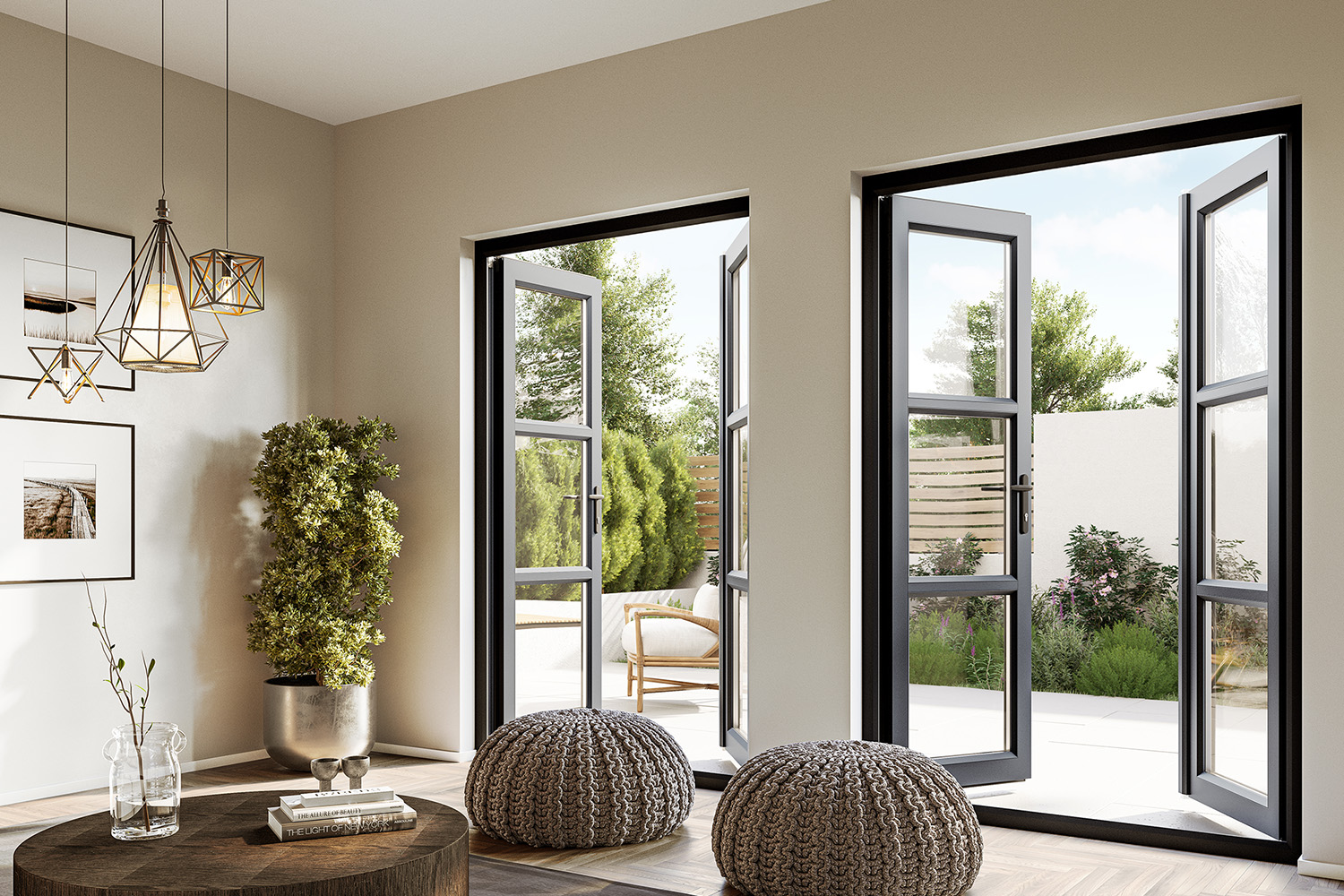
Turning the handle a further 90 degrees to the fully upright position releases the side hinges, allowing the entire sash to swing inward like a door. This gives full access to the opening for cleaning or maximum ventilation. A simple return of the handle to the closed position locks the window securely at multiple points around the frame.
Why the tilt position matters

The tilt position is what sets this window type apart from a standard casement. Because the opening is at the top of the sash, warm moist air rises and exits naturally while cooler fresh air enters below. This makes it highly effective for rooms where moisture builds up quickly, such as kitchens and bathrooms, where removing steam and humidity without a full draught is exactly what is needed.
It also addresses a common concern for families. In the tilt position, the opening is too narrow for a child or pet to climb through, and the sash remains held in place by the frame at the bottom edge. This provides peace of mind for parents with young children, particularly in upper-floor bedrooms, without relying on restrictors that can be overridden.
Rain is less likely to enter in the tilt position because the glass pane tilts inward from the top, creating a natural shield over the opening. In Ireland’s climate, where a passing shower can arrive without warning, this means you can leave windows ventilating without constantly checking the weather.
The turn position and easy cleaning
The full turn position swings the sash inward, giving access to the outside face of the glass from inside the room. For upper-floor windows, this removes the need for ladders, scaffolding, or reaching out of the opening to clean the exterior. It is a simple but significant practical advantage, especially for two-storey homes or windows above kitchen worktops and bathroom fittings where leaning out is difficult or unsafe.
Where tilt-and-turn works best

Tilt-and-turn suits almost any room, but it is particularly well matched to spaces where ventilation, safety, and ease of maintenance are priorities. Bedrooms benefit from secure night-time ventilation in the tilt position. Kitchens and bathrooms benefit from efficient moisture removal. Home offices benefit from controlled airflow without draughts across a desk. Upper-floor rooms benefit from the cleaning access the turn position provides.
Tilt-and-turn is available across Fairco’s Performance uPVC and OMNIA Flush ranges, in a wide selection of sizes, colours, and glazing configurations, including double and triple glazing. Every unit is fitted with multi-point locking and certified to PAS 24:2022 for enhanced security.
If you would like to see how tilt-and-turn works in practice, visit our showrooms where you can operate the mechanism yourself, or book a free consultation to discuss whether tilt-and-turn is the right choice for your home.