Natural light changes how a room feels. It makes spaces appear larger, reduces dependence on artificial lighting during the day, and has a measurable effect on mood, energy, and wellbeing. Yet how much daylight actually reaches the interior of your home depends on more than just the size of the opening. The frame profile, the glazing specification, the window placement, and the type of door you choose all influence how much usable light enters a room and how deep into the space it travels.
Frame profile and glass area
Every window frame takes up a portion of the opening. The wider the frame, the less glass you have and the less light comes through. This is why frame profile matters, particularly in rooms where light is at a premium or where the opening itself is modest in size.
Slimmer frame profiles maximise the glass-to-frame ratio, letting more light in through the same opening. Aluminium systems achieve some of the slimmest sightlines available because the material’s strength allows for narrower profiles without compromising structural integrity. For homeowners who prefer uPVC, OMNIA Flush offers a notably slim profile with invisible mullions that preserve a clean, uninterrupted glass area. In both cases, the difference in visible glass compared to a standard uPVC casement is immediately apparent.
Glazing and light transmission

Not all glass lets the same amount of light through. Low-emissivity coatings, which are essential for thermal performance, can reduce visible light transmission slightly depending on the type and number of coatings applied. Modern low-E glass is engineered to strike a balance, reflecting heat while allowing the vast majority of visible light to pass through. When specifying double or triple glazing, it is worth discussing light transmission values with your supplier, particularly for north-facing rooms or spaces that rely on a single window for all their daylight.
Clear glass obviously transmits more light than obscured or tinted options. In rooms where privacy is not a concern, keeping the glass clear and pairing it with a slim frame profile delivers the maximum possible daylight for the opening size.
Doors as light sources
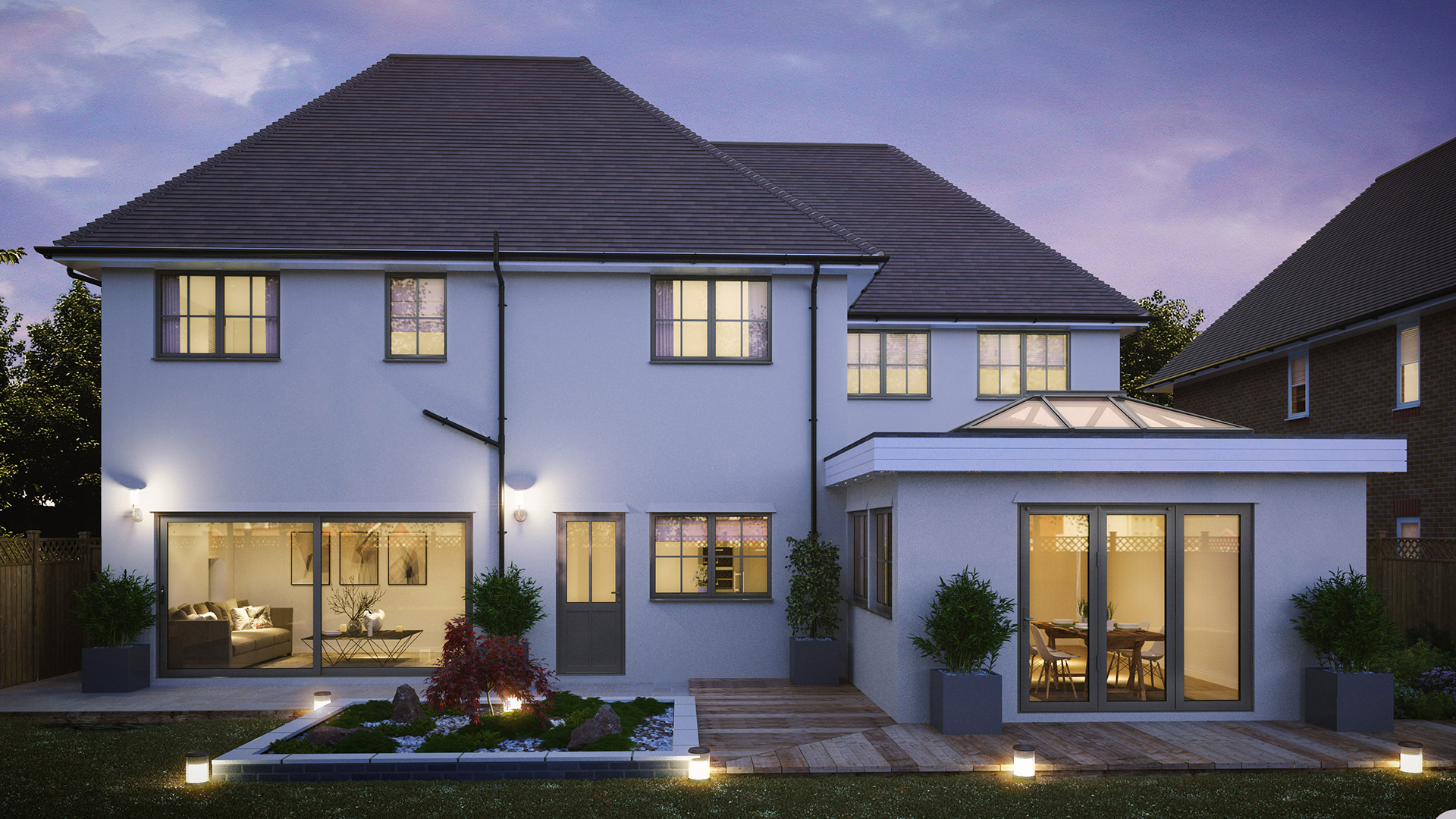
In open-plan living areas and rear extensions, the back door is often the single largest glazed element in the room. Choosing the right door type has a major impact on how light enters the space. Sliding doors with large fixed panels and slim aluminium frames can turn an entire rear wall into a light source. Bi-fold doors achieve a similar effect when open, and still deliver generous glazed area when closed. Even a well-proportioned French door with sidelights brings significantly more light into a room than a solid or half-glazed alternative.
For rooms that feel dark or enclosed, replacing a small rear door with a wider glazed opening is often the most transformative single change a homeowner can make.
Window placement and room depth

Where the window sits in the wall affects how far light penetrates into the room. Windows placed higher on the wall allow light to reach deeper into the space, which is why fanlights, high-level windows, and clerestory glazing are so effective in single-storey extensions and open-plan layouts. Corner windows, where two glazed walls meet, eliminate the shadow that a solid corner creates and dramatically change the quality of light in a room.
Even in an existing home where the openings are fixed, upgrading to a slimmer frame profile increases the glass area within the same structural opening, bringing a noticeable improvement in daylight without any building work beyond the window replacement itself.
Brighter rooms start with the right specification
If your home feels darker than it should, or if you are planning a renovation or extension where natural light is a priority, the window and door specification is the place to start. Frame profile, glazing type, door style, and opening configuration all contribute, and the right combination can transform how a room looks and feels throughout the day.
Book a free consultation with the Fairco team, or visit our showrooms to see how different frame profiles and door types compare in person.