Ireland has over 7,500 kilometres of coastline. From the exposed Atlantic coast of the west to the Irish Sea shoreline of Dublin and Wicklow, thousands of homes sit within direct reach of salt-laden air, wind-driven rain, and sustained exposure to some of the harshest weather conditions in northern Europe. For these properties, the specification of windows and doors is not just an energy or aesthetic decision. It is a durability decision, and getting it wrong can be expensive.
What the coast does to windows and doors
Salt air is corrosive. It attacks metal components, degrades unprotected finishes, and accelerates the ageing of hardware, seals, and fixings. Properties within a few kilometres of the shoreline are exposed to airborne salt on a near-daily basis, and the effect compounds over years. Hinges can stiffen or seize. Locking mechanisms can pit and corrode. Unprotected aluminium finishes can degrade within a decade. Even stainless steel fixings are not immune if they are not specified to the correct grade for marine environments.
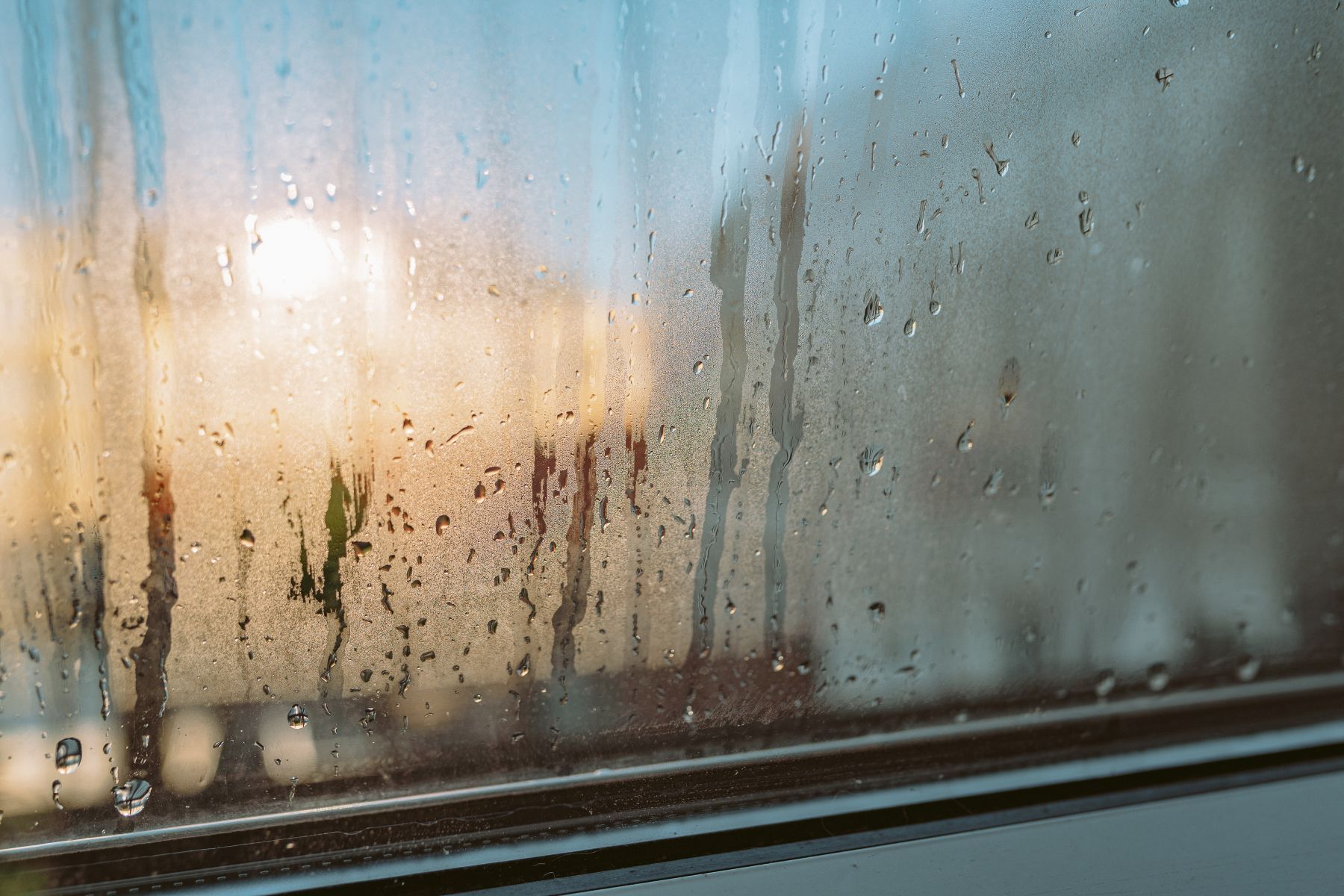
Wind-driven rain presents a different challenge. Ireland’s prevailing south-westerly winds carry moisture horizontally against the building envelope, testing the water-tightness of every window and door junction. Standard products tested under moderate conditions may perform adequately inland but fail to keep water out when subjected to the sustained pressure differentials that exposed coastal locations produce.
Why material choice matters more on the coast

uPVC is inherently well-suited to coastal environments. It does not corrode, does not require repainting, and is unaffected by salt air. The frame material itself will not degrade in the way that untreated timber or unprotected metals can. This is one of the reasons uPVC remains the most popular choice for coastal properties across Ireland. Fairco’s Performance uPVC and OMNIA Flush ranges are manufactured using the highest grade of uPVC available for domestic applications, ensuring long-term stability in exposed conditions.
For homeowners who prefer the slimmer sightlines and contemporary aesthetic of aluminium, material quality becomes even more critical. Not all aluminium window systems are equal in coastal performance. Thermally broken aluminium profiles with high-quality powder-coated or marine-grade finishes offer significantly better long-term durability than standard finishes. The quality of the coating, its thickness, and how well it has been applied all determine how long the frame resists the effects of salt and UV exposure.
Severe weather testing
Windows and doors are tested for three key weather performance criteria under EN 14351-1: air permeability, water tightness, and wind resistance. Each is rated on a classified scale, and the ratings a product achieves determine the conditions it is suitable for.
For coastal and exposed locations, specifying products that have been tested to higher classifications in all three categories is essential. A product rated for moderate exposure may pass building regulations but still allow water ingress or draughts under the sustained wind pressures that coastal properties experience during winter storms. Fairco products are severe weather tested and manufactured to consistent tolerances, ensuring that the performance demonstrated in laboratory testing translates to real-world conditions on site.
Hardware and seals

The frame material often gets the attention, but hardware and seals are equally important in coastal specifications. Locking mechanisms, hinges, and friction stays must resist corrosion over the full life of the window. EPDM gaskets and weather seals need to maintain flexibility and compression despite constant exposure to salt, UV, and temperature cycling. Products with PAS 24:2022 certification are tested under rigorous mechanical and impact conditions, which provides a baseline of confidence in hardware durability, but coastal specification may warrant additional attention to the grade of stainless steel used in fixings and the quality of the seal system.
Specification for peace of mind
If your home is on or near the coast, it is worth discussing your location and exposure with your window supplier at the outset. Orientation, elevation, proximity to the shoreline, and whether the property is sheltered or fully exposed all influence the right specification. The difference between a product that performs well for a decade and one that performs well for 25 years often comes down to details that are invisible once the window is installed: the seal compound, the hardware grade, the coating quality, and the testing classification.
Fairco’s team can assess your property’s exposure and recommend the right combination of materials, glazing, and hardware for lasting coastal performance. Book a free consultation to discuss your project.