Upgrading your windows and doors is a significant investment, and understanding market trends can help you make informed decisions. The 2025 window and door market was shaped by evolving homeowner preferences, stricter energy standards, and innovations in design and materials. Insights from industry research show which styles and technologies are becoming standard, and which offer long-term value for comfort, energy efficiency, and aesthetics.
By understanding these trends, homeowners can plan upgrades for 2026 that balance style, performance, and durability while meeting current regulations.
Materials driving change

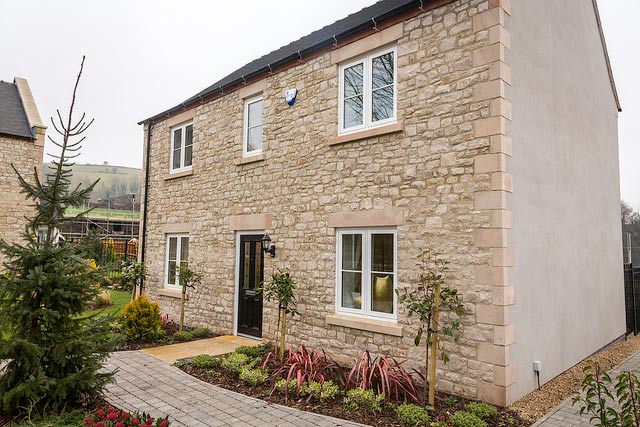
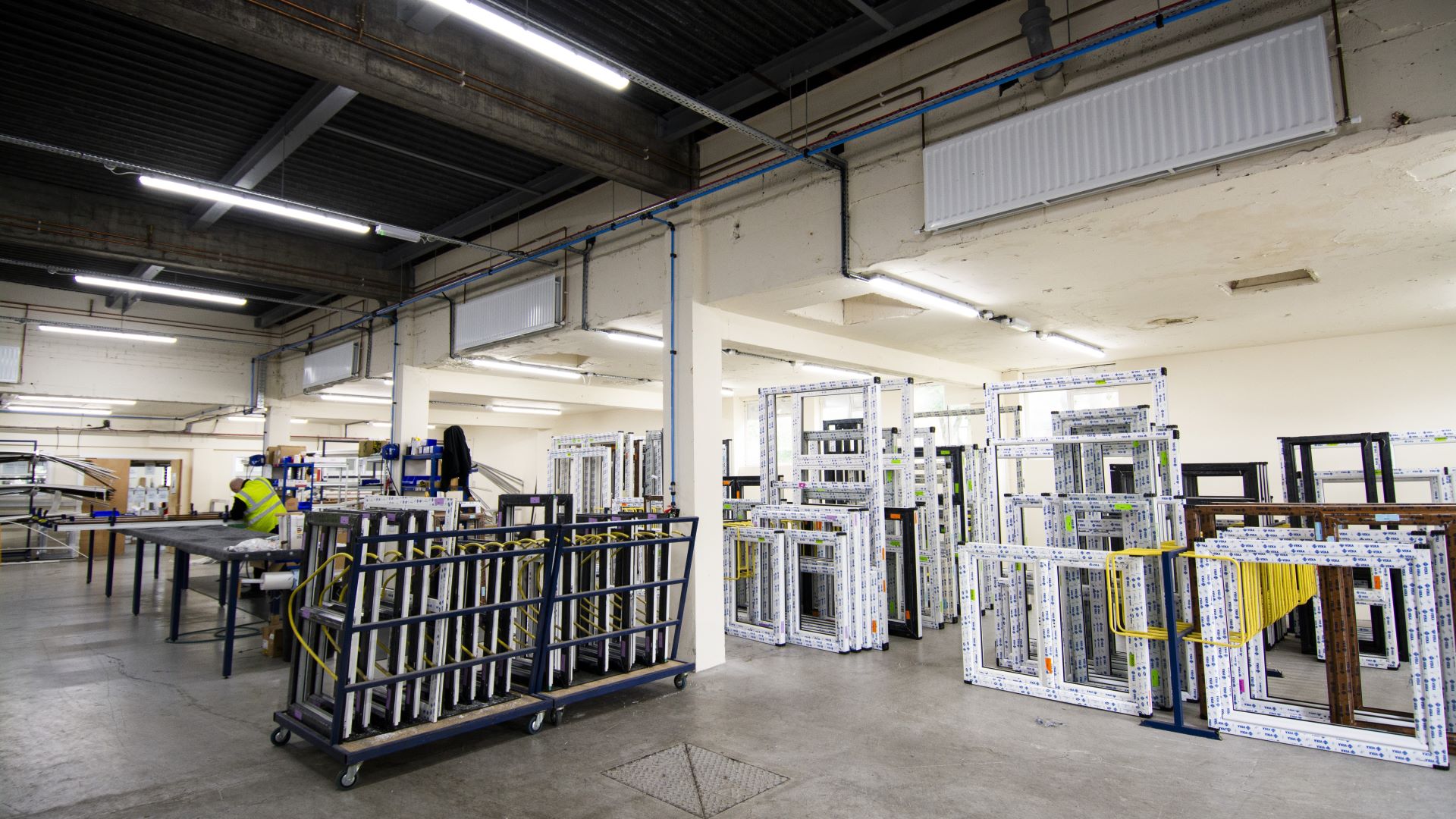
Aluminium continues to grow in popularity due to its strength, slim profiles, and versatility in large windows and sliding doors. This material allows homeowners to create bright, open spaces with minimal frame interference. At the same time, uPVC remains widely used for its affordability, thermal performance, and low maintenance requirements, making it a reliable choice for many properties.
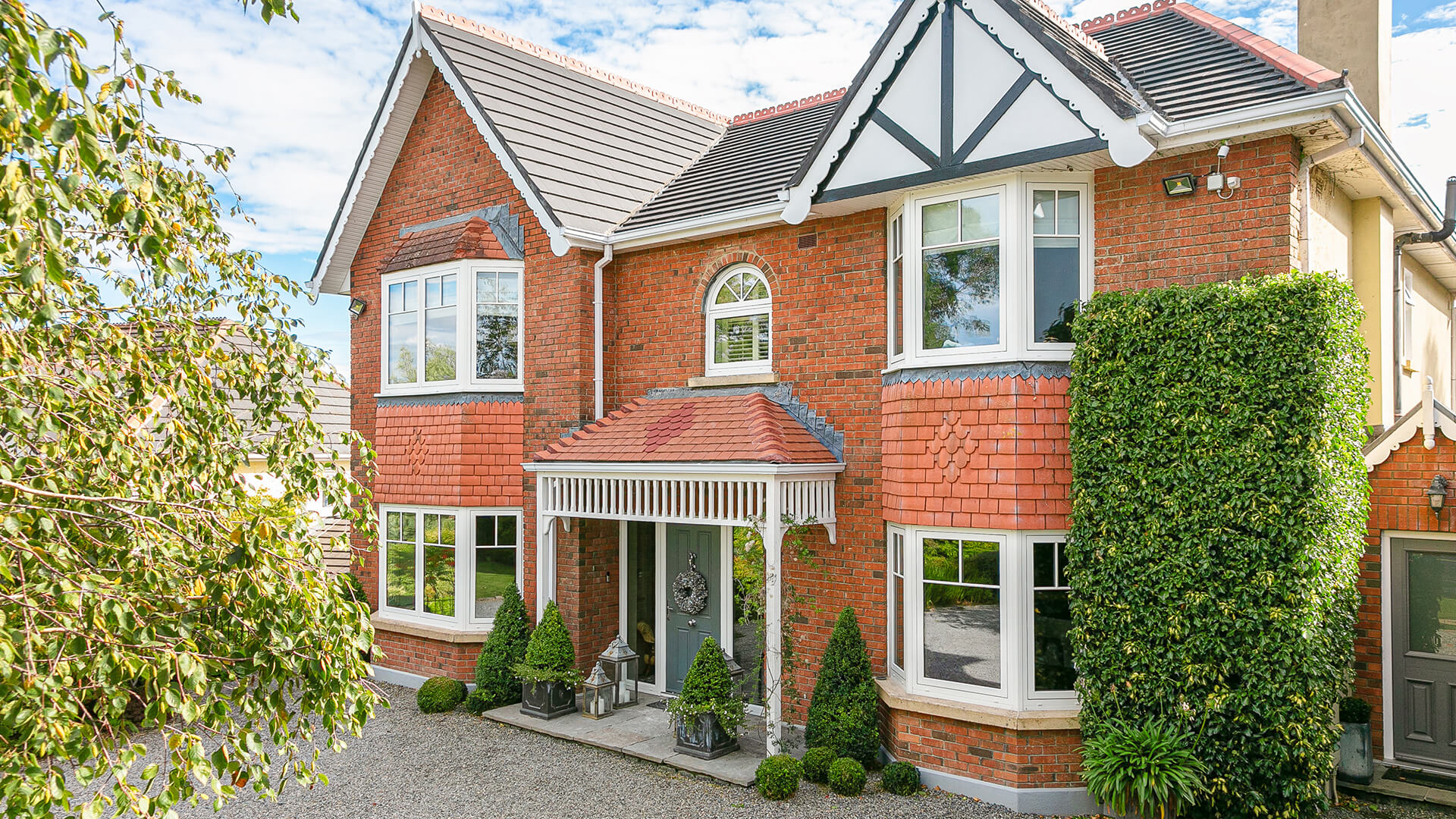
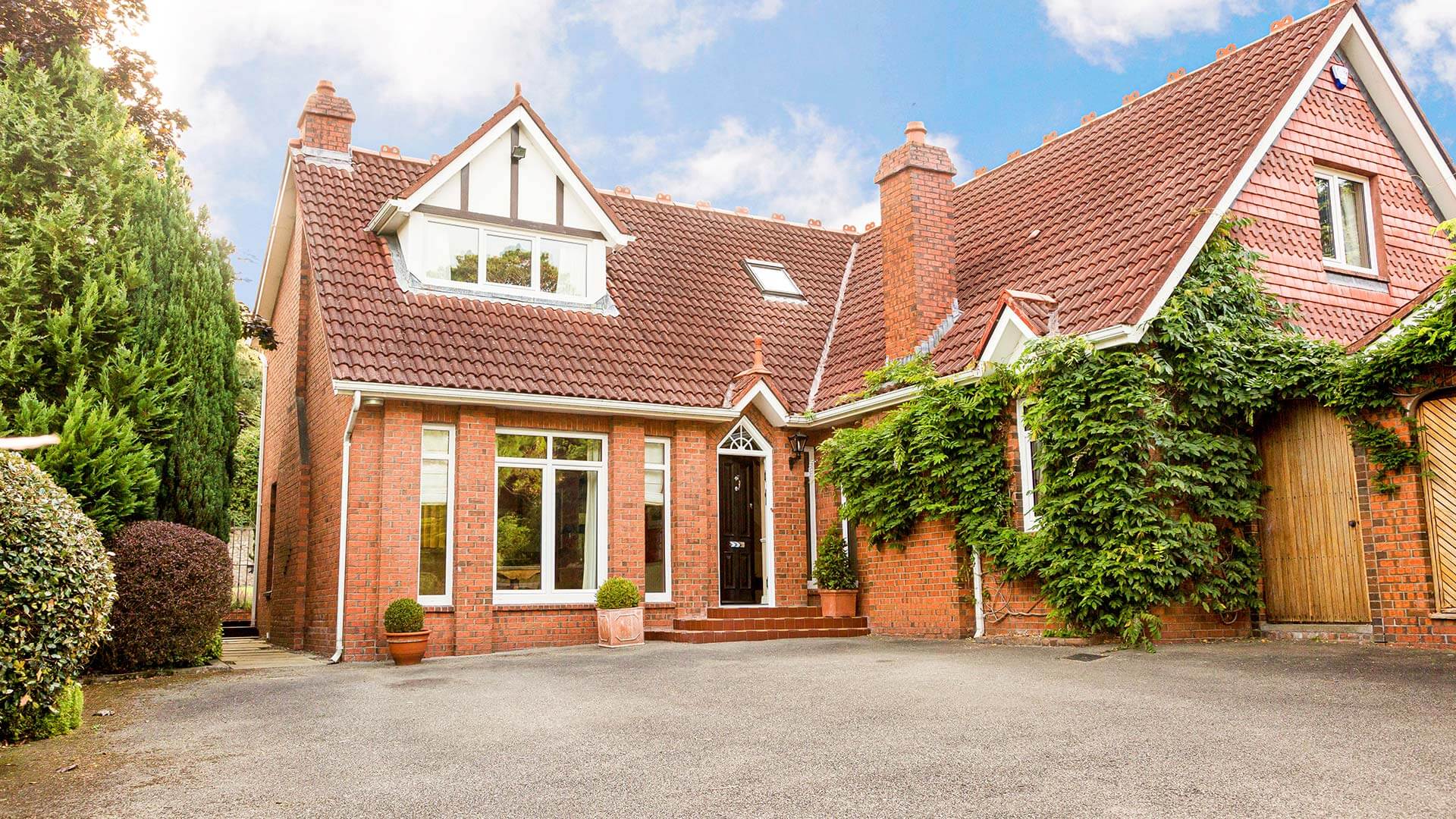
While modern aluminium and uPVC solutions dominate in new builds, period homes continue to demand timber and sash windows. Modern engineered composite options meet conservation and energy standards while maintaining authenticity. Composite frames deliver high performance while retaining the traditional look that period and heritage homes require, allowing homeowners to comply with conservation requirements without sacrificing thermal efficiency.
Design trends: light, open, and modern
Modern homeowners are prioritising designs that maximise natural light and visual connectivity between indoor and outdoor spaces. Large sliding doors, bifolds, and fixed light units are increasingly preferred in contemporary living areas and extensions. Even within period properties, carefully specified modern glazing can enhance natural light while respecting the property’s character.
Energy efficiency remains a priority

Energy performance continues to be a critical factor for homeowners, driven by both regulatory requirements and the desire to reduce heating costs. In Ireland, windows and doors must meet strict U-value standards, and low thermal bridging is essential for long-term comfort. Triple glazing, thermally broken aluminium, and airtight installation are increasingly adopted to minimise heat loss and prevent condensation.
Fairco products, such as the Heritage Sash and OMNIA Flush ranges, combine high-performance energy efficiency with design flexibility suitable for both contemporary and heritage homes.
Smart technology and sustainability
Beyond material and design, technology and sustainability are influencing homeowner choices. Integrated smart glass, automated ventilation, and energy-saving features are gaining traction, alongside products with sustainable sourcing, recycled content, and certifications indicating lower environmental impact.
Implications for homeowners
Understanding these trends helps homeowners make decisions that balance aesthetics, performance, and longevity. Material choice, energy efficiency, and design integration all affect comfort, running costs, and property value. Homeowners should consider both contemporary and heritage-compatible options, ensuring their windows and doors deliver long-term benefits.
Conclusion
The 2025 window and door market reflects an industry evolving with homeowner expectations: efficiency, style, and durability. Choosing products that combine performance with appropriate aesthetics improves comfort, reduces energy costs, and protects property value.
Explore Fairco’s range of high-performance windows and doors to find solutions that meet modern requirements, whether for contemporary or period properties.