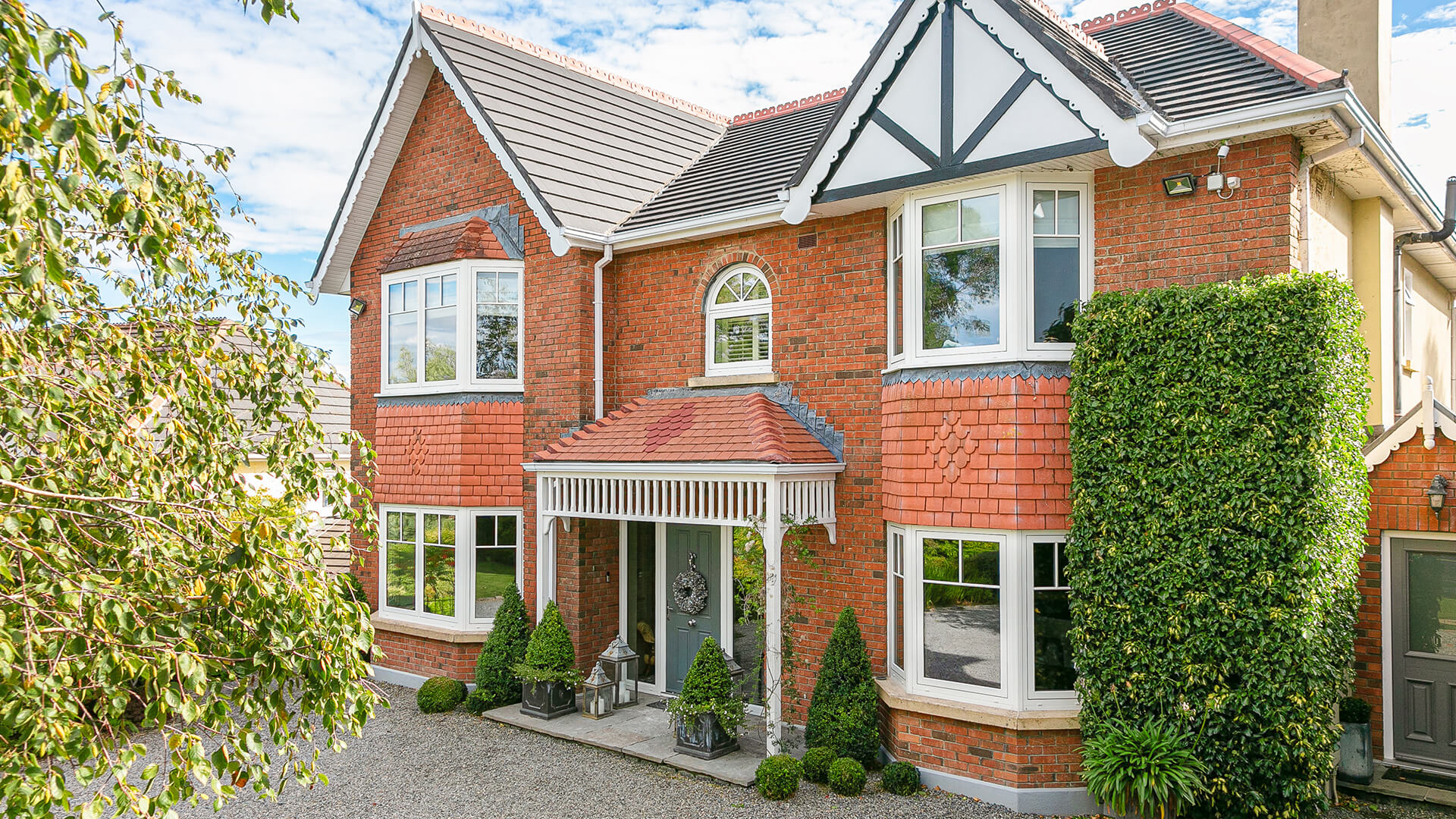
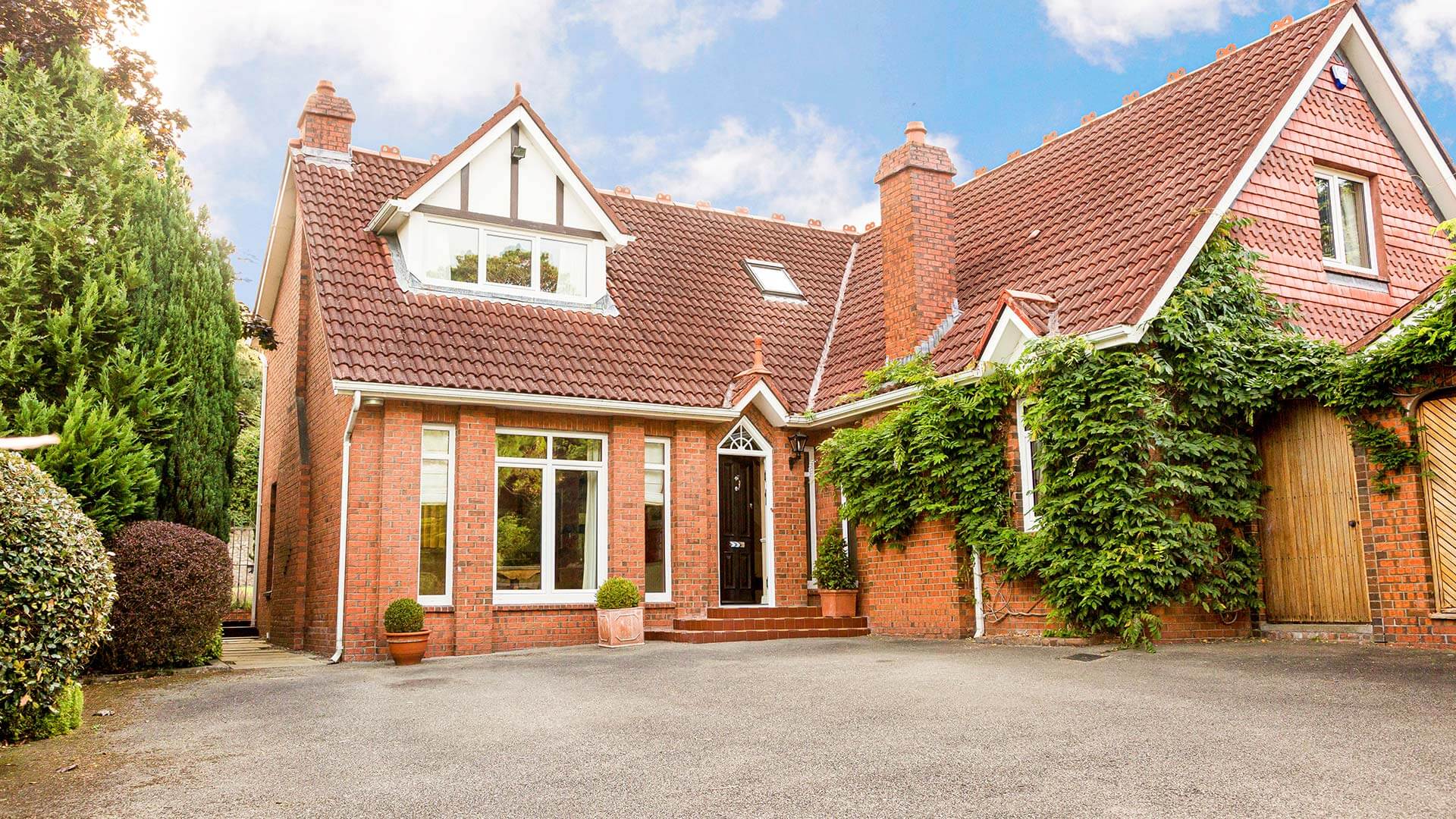
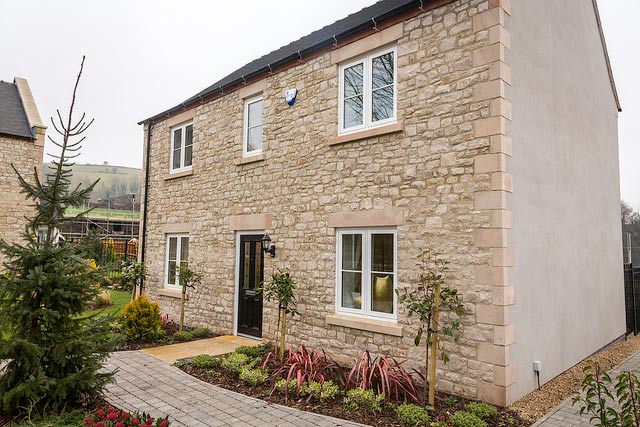
Astragal bars are a modern take on the traditional glazing bars found in period sash windows. Historically, glazing bars were a necessity of the time when glassmakers couldn’t produce large panes, so smaller pieces of glass were fitted into a wooden frame and held in place by these bars. This not only made windows more practical but also created the iconic grid-like appearance we now associate with Georgian and Victorian homes.
Today, astragal bars replicate that classic look but with modern efficiency. Instead of holding separate panes, they are fixed to the inside and outside of a double-glazed unit, dividing a single pane into sections. This delivers the same timeless, heritage style while ensuring easier manufacturing, better energy performance, and simpler installation.
Astragal bars are made from materials such as uPVC, timber, or metal and can either be adhered to the glass surface or integrated into the window frame. They are available in a range of styles, including Georgian, Victorian, and Edwardian, allowing homeowners to match the architectural character of their property.
Georgian glazing bars: a historical perspective

Georgian glazing bars are named after the Georgian period (1714–1830) in British architecture. At that time, large sheets of glass were expensive and difficult to manufacture, so windows were divided into smaller sections using timber glazing bars.
In true Georgian-period windows, glazing bars were structural timber dividers holding many small panes. Today, when people say “Georgian bars,” they usually mean the internal decorative bars inside a double-glazed unit, not structural dividers.
Characterised by slim, elegant profiles arranged in grid patterns, Georgian glazing bars required regular maintenance to prevent decay. Despite their fragility, they became a defining feature of symmetry and elegance in 18th- and early 19th-century homes.
Astragal Bars vs. Georgian Bars: What’s the Real Difference?
Astragal bars and Georgian bars are both used to recreate the look of period multi-pane windows while using one sealed double-glazed unit. This keeps the classic aesthetic without building a window from many small panes.
How modern Georgian bars work
Georgian bars sit inside the sealed unit, between the two panes of glass. From the outside, the glass surface stays smooth, which also makes it easier to clean.
How Astragal bars work
Astragal bars use a combination: a matching spacer grid inside the sealed unit plus raised bars that are applied to the outside faces of the glass. This creates the depth and shadow lines of small, individual panes and gives a more authentic period look. Because there are extra components and fitting steps, astragal-bar windows typically cost more than those with internal Georgian bars only.
What’s similar about both
-
Both approaches achieve the traditional style using one modern glazed unit (cost-saving vs. true small panes).
-
When paired with contemporary window systems (e.g., uPVC frames and standard double glazing), neither option reduces energy efficiency, and both can be specified with modern security features.
-
Either can suit a wide range of homes; astragal bars are often preferred for a more traditionally accurate look, and either may be acceptable in conservation areas, subject to approval.
Key differences at a glance
-
Placement: Georgian = internal bars only; Astragal = external applied bars + internal spacer grid.
-
Cleaning: Georgian leaves a flat, smooth outer surface; astragal has raised external bars to clean around.
-
Look: Astragal gives the most convincing “individual panes” effect.
The role of astragal bars in modern architecture

Astragal bars are an ideal solution for homeowners and architects seeking to combine traditional aesthetics with modern performance. They are particularly valuable in conservation areas, where planning regulations often require period-appropriate window designs. By using Astragal bars, property owners can maintain a heritage appearance without compromising on energy efficiency, security, or durability.
Customisable patterns

Astragal bars aren’t limited to classic Georgian grids. Homeowners can choose from cross, colonial, diamond, or bespoke patterns, allowing windows to reflect the heritage of the property or complement a more contemporary design. This flexibility makes it easy to match Astragal bars to your home’s architectural style.
Enhanced security with modern Astragal bar windows
Unlike historic glazing bars, which were purely structural and often vulnerable to forced entry, modern Astragal bars are fitted to high-performance double-glazed units. They are either integrated into the glass or bonded to the unit, creating a rigid surface that adds no weak points. Combined with modern locking systems, reinforced frames, and toughened or laminated glass, Astragal bar windows provide the classic multi-pane look while meeting today’s stringent security standards. Homeowners can enjoy period aesthetics without compromising safety or durability.
Suitability for conservation areas
Astragal bars are an ideal solution for properties in conservation areas. They recreate the period appearance required by planning regulations while benefiting from modern double or triple glazing. This means homeowners can maintain a heritage look without compromising energy efficiency, security, or durability.
Reduced condensation and improved comfort
Modern Astragal bar windows minimise condensation compared with traditional multi-pane windows. By maintaining a consistent thermal barrier, they help keep your home warmer in winter and cooler in summer, improving overall comfort and reducing damp-related issues.
Design your perfect period-style window with Fairco
Bring heritage elegance to your home with period-style windows designed to suit your property perfectly. Our experts at Fairco will guide you through material choices, Astragal bar styles, and custom finishes to achieve a timeless look without compromising modern performance.
Book a Fairco consultation today to create your bespoke period-style windows.