Sash windows are a timeless feature of architectural design, combining classic elegance with modern performance. Recognised by their distinctive sliding panels, known as sashes, they allow for smooth vertical or horizontal movement to control ventilation and light. Whether crafted in traditional timber or updated with advanced materials, sash windows offer a perfect balance of heritage charm and contemporary functionality. Beyond their graceful appearance, their design incorporates a range of specialist hardware and components that work together to ensure durability, ease of use, and lasting beauty.
The anatomy of a Sash Window
Let’s start with the parts you see and then move on to those working quietly behind the scenes.
Meeting Rail

The meeting rail is the horizontal section where the upper and lower sashes meet when the window is closed. In addition to completing the classic sash look, it plays a vital role in sealing against drafts and improving thermal efficiency. Modern meeting rails often incorporate weatherstripping or compression seals, ensuring a snug fit and reducing heat loss while maintaining the crisp, defined profile associated with traditional joinery.
Deep Cill

The cill (or sill) is the bottom horizontal ledge of the window frame, designed to shed water away from the building. A deep cill offers extra projection beyond the wall, which not only enhances period authenticity but also improves rainwater runoff and protects the building’s facade. Often crafted from hardwood or engineered timber with durable coatings, deep cills combine functional weather protection with architectural presence.
Putty

Putty is the traditional glazing compound used to bed glass securely into the sash frame. In heritage windows, linseed oil putty was common, offering a flexible seal that accommodated seasonal movement in timber. Modern sash windows may use glazing putty blends with improved weather resistance and paint adhesion while retaining the soft, moulded finish that suits period aesthetics. The correct application of putty is key to both the window’s performance and its authentic appearance.
Sash Horn

Sash horns are the small, curved or angular projections found at the lower corners of the top sash. Historically, they added structural integrity to large panes of glass when glazing technology limited pane size. Today, sash horns remain an important visual detail, helping new sash windows blend seamlessly into conservation areas or match existing heritage styles. They can be shaped to suit the architectural period, from subtle Georgian forms to more ornate Victorian profiles.
Astragal Bars

Astragal bars are applied to the surface of the glass to replicate the look of individual, smaller panes, which were once necessary before the production of large sheets of glass. In modern sash windows, they are often paired with back-to-back spacer bars inside the glazing unit, so the effect is authentic both inside and out. Astragal bars add depth, charm, and period accuracy while allowing you to benefit from the energy efficiency of a single, sealed glass unit.
Staff Bead

The staff bead is the internal trim that holds the sashes in place within the frame. Traditionally made of timber and fitted with a small chamfer or rounded edge, it’s removable to allow for maintenance or sash replacement. In modern designs, the staff bead often incorporates discreet draught-proofing strips, sealing the window against air leakage while preserving the original frame’s appearance.
The hardware that makes them work
Now, the details that matter every time you open or close a window:
Fasteners & Locks

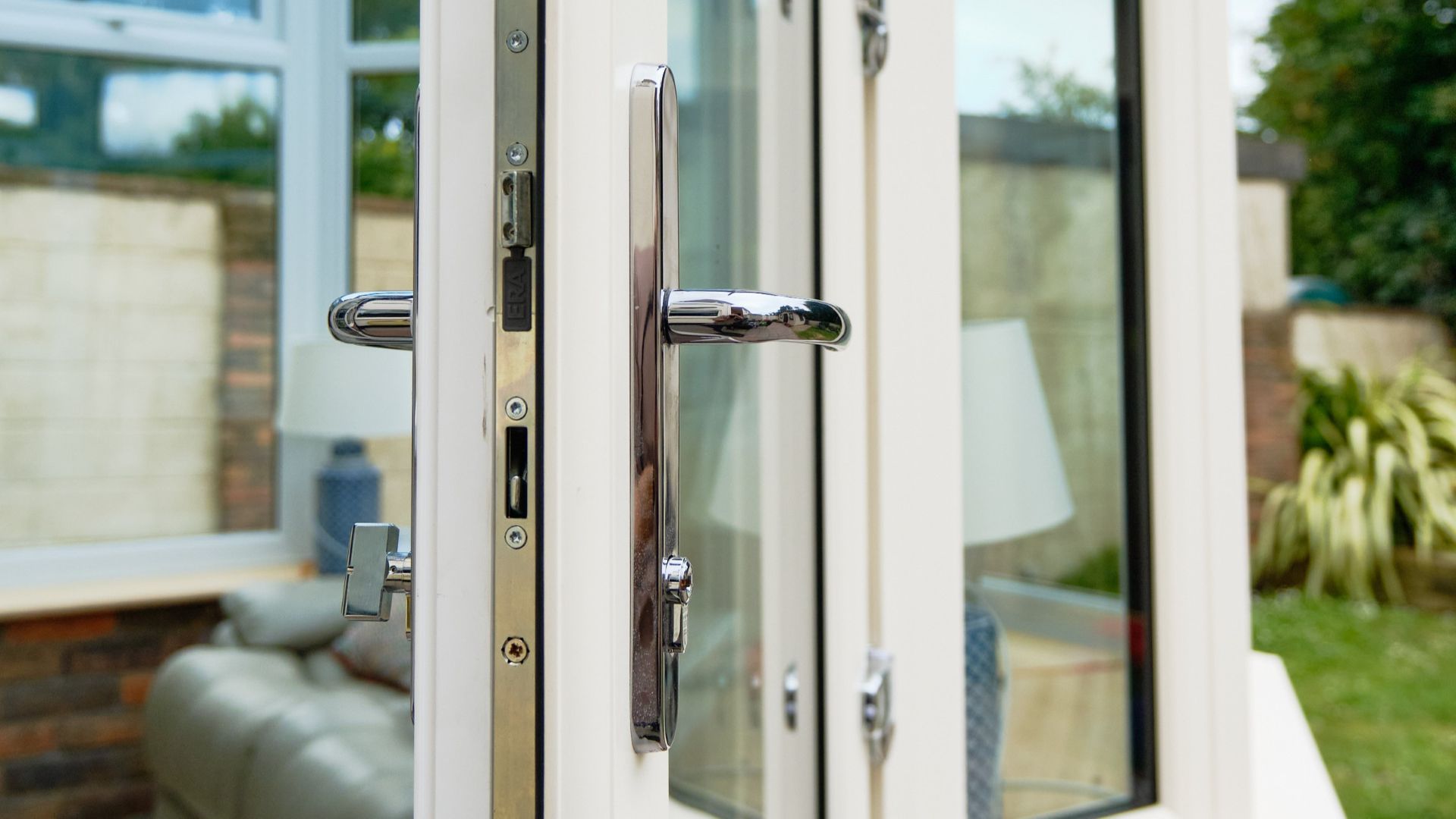
Fasteners or sash fasteners secure the two sashes together, adding safety and draft resistance. They come in styles like quadrant, hook, or latch fasteners in finishes that complement your home. Some sashes include key-lockable sash locks or multi-point locking systems at the meeting rail for higher security
Handles & Lifts


You’ll find eye lifts, ring-shaped handles to raise the sash, finger lifts for a clean look, or pull handles for larger panes. These stay subtly in place but make a daily difference in usability
Tilt-In Functionality
High on convenience is the tilt-in feature, which allows you to swing the sash inward while cleaning from the inside. It’s especially helpful on upper stories and makes maintenance both safe and simple.
Double Hung and Single Hung
When choosing sash windows, the difference between single-hung and double-hung makes a real impact on usability. A single-hung window allows only the lower sash to move, while the upper sash remains fixed. A double-hung window lets both sashes operate independently. That added flexibility offers better ventilation, you can open the top sash to let warm air escape and the bottom to bring fresh air inside while also making cleaning easier, especially at higher levels.
Counterbalance & Movement
Older sash windows used hidden lead weights connected to the sashes by cords and pulleys to make lifting easy. Today’s mechanisms are more reliable and compact. Modern sash windows often use spiral or spring balances, or block-and-tackle systems, all concealed in the frame for a clean profile and smooth operation
These updated balances ensure your windows glide effortlessly and stay where you leave them.
Benefits of quality hardware
| Feature | Benefit |
| Balanced sash movement | Easy opening and closing, lasting performance |
| Secure fasteners and locks | Enhanced safety and peace of mind |
| Tilt-in design | Clean both sides of the glass with ease |
| Durable materials and finishes | Low maintenance and long-term value |
See it up close at Fairco
Modern sash windows retain that timeless appeal while offering real-world benefits. Explore Fairco’s Sash Windows range at our Santry or Deansgrange showrooms to feel that craftsmanship firsthand.