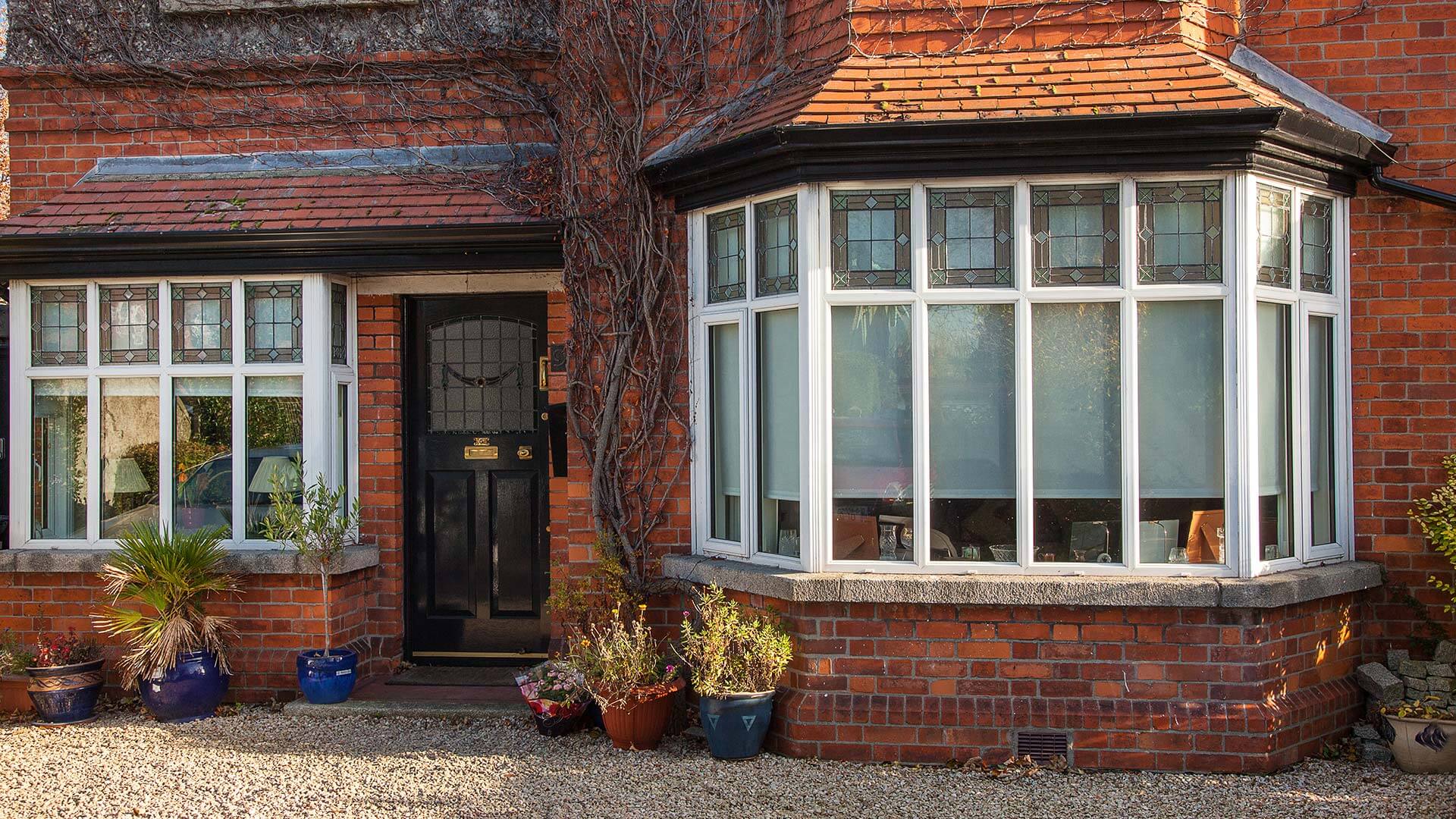
Condensation and black mould are common issues in Irish homes, particularly during colder months when windows are kept closed and indoor heating is used more often. While a bit of condensation can seem harmless, frequent moisture build-up and mould growth can signal deeper problems with ventilation, insulation, and glazing performance. Left unresolved, they can harm both your home’s structure, indoor air quality and your health.
Let’s explore why condensation occurs, how it leads to mould, and what practical steps you can take to manage it. We will also highlight how modern window technology, like the systems Fairco installs, can help reduce condensation while improving comfort and energy efficiency.
What causes condensation?

Condensation forms when warm, humid indoor air meets a colder surface, such as your window glass. The temperature difference causes water vapour to turn into droplets. The issue becomes more noticeable in winter, when windows are cooler and indoor air tends to be more humid.
Common contributing factors include:
- Poor insulation or glazing: Older single-glazed windows, or early-generation double glazing, cool quickly and provide a cold surface where moisture condenses.
- High indoor humidity: Activities like cooking, showering, and drying clothes indoors increase moisture levels.
- Insufficient ventilation: Without adequate airflow, humidity builds up indoors. This is often made worse when trickle vents are blocked or windows remain tightly sealed for long periods.
How condensation leads to black mould
When condensation persists, it creates damp conditions ideal for mould growth. Black mould thrives on surfaces that remain damp, such as window frames, sills, and surrounding plaster. Over time, this can damage finishes, cause unpleasant odours, and worsen respiratory conditions such as asthma and allergies.
According to the World Health Organization (WHO), prolonged exposure to damp and mouldy environments is associated with respiratory symptoms and allergic reactions. Addressing condensation is therefore not only a maintenance issue but also a matter of home health.
How to fix and prevent condensation and mould

- Improve ventilation:
Increase airflow throughout your home by opening windows for short bursts daily or ensuring trickle vents remain unblocked. In bathrooms and kitchens, use extractor fans that vent outdoors. Mechanical ventilation with heat recovery (MVHR) systems can also help maintain balanced humidity. - Manage indoor humidity:
Avoid drying clothes indoors where possible and cover pots while cooking. Using a dehumidifier can help maintain indoor humidity between 40 – 60%, which research shows is optimal for comfort and health. - Maintain consistent indoor temperatures:
Sharp temperature fluctuations encourage condensation. Keeping your home evenly heated, especially in rooms with large windows, helps prevent moisture from settling. - Upgrade to energy-efficient windows:
High-performance double and triple-glazed windows with low-emissivity (low-E) coatings and insulated frames reduce the temperature difference between interior glass and indoor air. This limits condensation formation. Fairco’s window systems are designed with advanced thermal insulation, helping maintain warmth while minimising the likelihood of condensation and the resulting damp. - Regular maintenance:
Clean window seals and frames periodically and check for damaged weatherstripping. Properly maintained seals prevent moisture ingress and preserve airtightness.
The long-term solution: balance insulation and ventilation
Condensation problems often occur when insulation improves, but ventilation does not. Modern homes are built to be highly airtight, which improves efficiency but traps humidity if ventilation isn’t managed. A balanced approach of combining efficient windows with adequate airflow creates a stable, comfortable indoor environment.
Fairco’s windows and doors are engineered to deliver this balance. With advanced glazing, thermal breaks, and precision installation, they help homeowners achieve improved insulation without compromising air quality.
Final thoughts
Condensation and mould are signs that your home’s insulation, ventilation, or glazing may need attention. By addressing humidity, improving airflow, and investing in high-performance windows, you can protect your home’s structure and create a healthier living space.
To learn more about improving your home’s efficiency and comfort, contact Fairco for tailored window and door solutions that reduce condensation and enhance performance year-round.